Poland in June: Weather, City Breaks and What to Expect
Poland in June brings the start of warm summer weather and long days, making it a good month for a city break in Gdańsk, Wrocław, Poznań or Łódź.
On this page
June is one of the best months for a short city break in Poland: warm but not yet at peak-season heat or crowds, with long daylight hours that stretch an afternoon of sightseeing and an evening on a city square. This guide covers typical June weather, which cities suit a one-to-four-day trip, how to plan around museum closing days, what to budget in złoty, how June compares with May and September, and what to wear for mixed early-summer days.
Treat June as the opening of summer rather than the height of it. That matters for a city break: outdoor squares, riverside walks and terrace seating are comfortable before July and August bring the busiest weeks, and a compact old town can be covered on foot while the light holds.
What June weather in Poland is usually like
The best time to visit Poland for most city-break travellers runs from May to October, and the milder ends of that window are May, June and September, when the weather is neither too hot nor too cold. That framing is more useful than a single figure, because it tells you June is early summer rather than the peak of it.
Poland sits in a temperate climate where warmth arrives gradually, so early June can still bring cool mornings and a jacket is worth carrying even when the afternoon is pleasant. Rain falls year-round, and June is no exception, so build flexibility into a short trip rather than assuming wall-to-wall sunshine. A workable pattern is to hold one indoor museum in reserve for a wet afternoon and put the walking and viewpoints first when the sky is clear.
Why June suits a one-to-four-day city break
Daylight is June's quiet advantage: with long evenings you can fit a morning museum, an afternoon walking route and an evening on the main square without rushing. For cities built around a walkable centre, that extra light turns a two-day stop into something that feels unhurried. If your trip is only three or four days, June lets you keep one day loose for weather and still see the core sights.
June also sits before the busiest stretch of the Polish summer, when coastal and lake destinations fill up and city centres get louder. The trade-off is that June is not guaranteed dry or hot, so a plan built entirely around outdoor terraces can wobble. Balance each day with one indoor anchor so a grey morning does not derail the itinerary.
Which cities work best in June, and the trade-offs
Gdańsk is the strongest June pick if you want a compact historic core: the Główne Miasto (Main Town) centres on Długi Targ and the riverside, where the Żuraw (the Crane) marks the old waterfront, and everything is walkable in a day or two. The trade-off is that the Baltic coast can be breezier and cooler than inland, so pack a windproof layer. For how the earlier part of the season compares, see Poland in May.
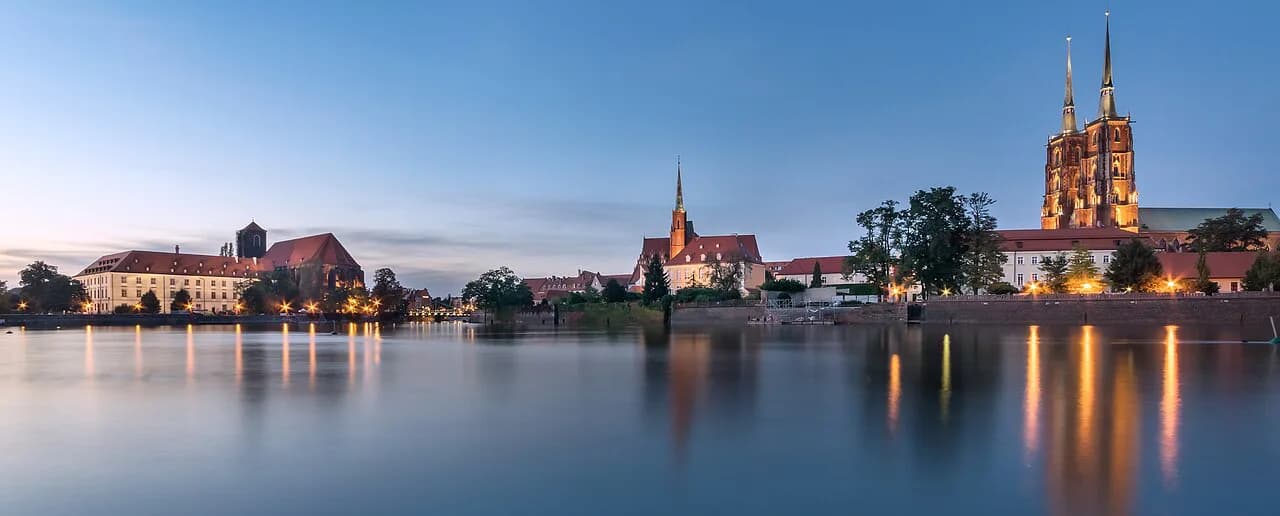
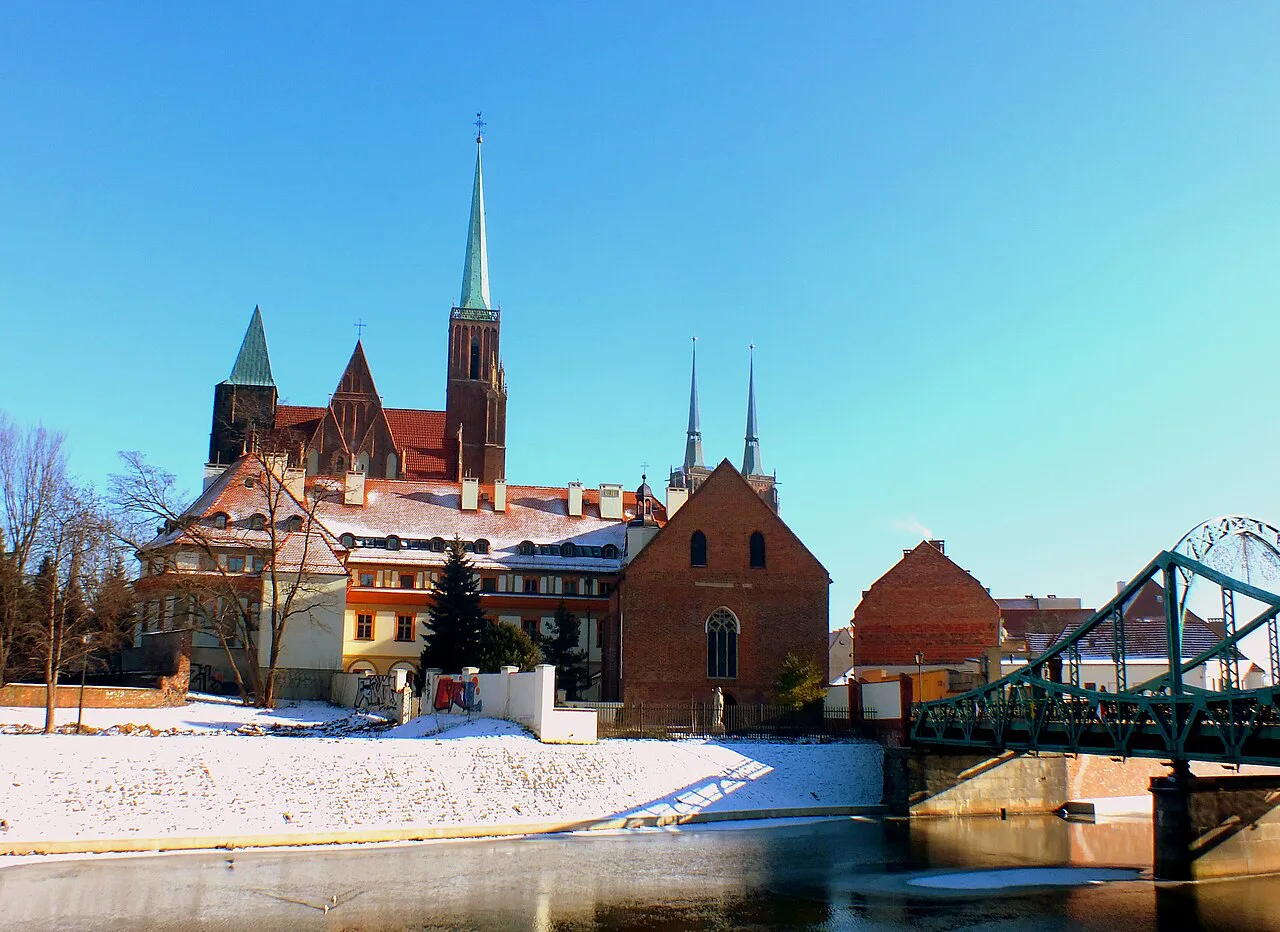
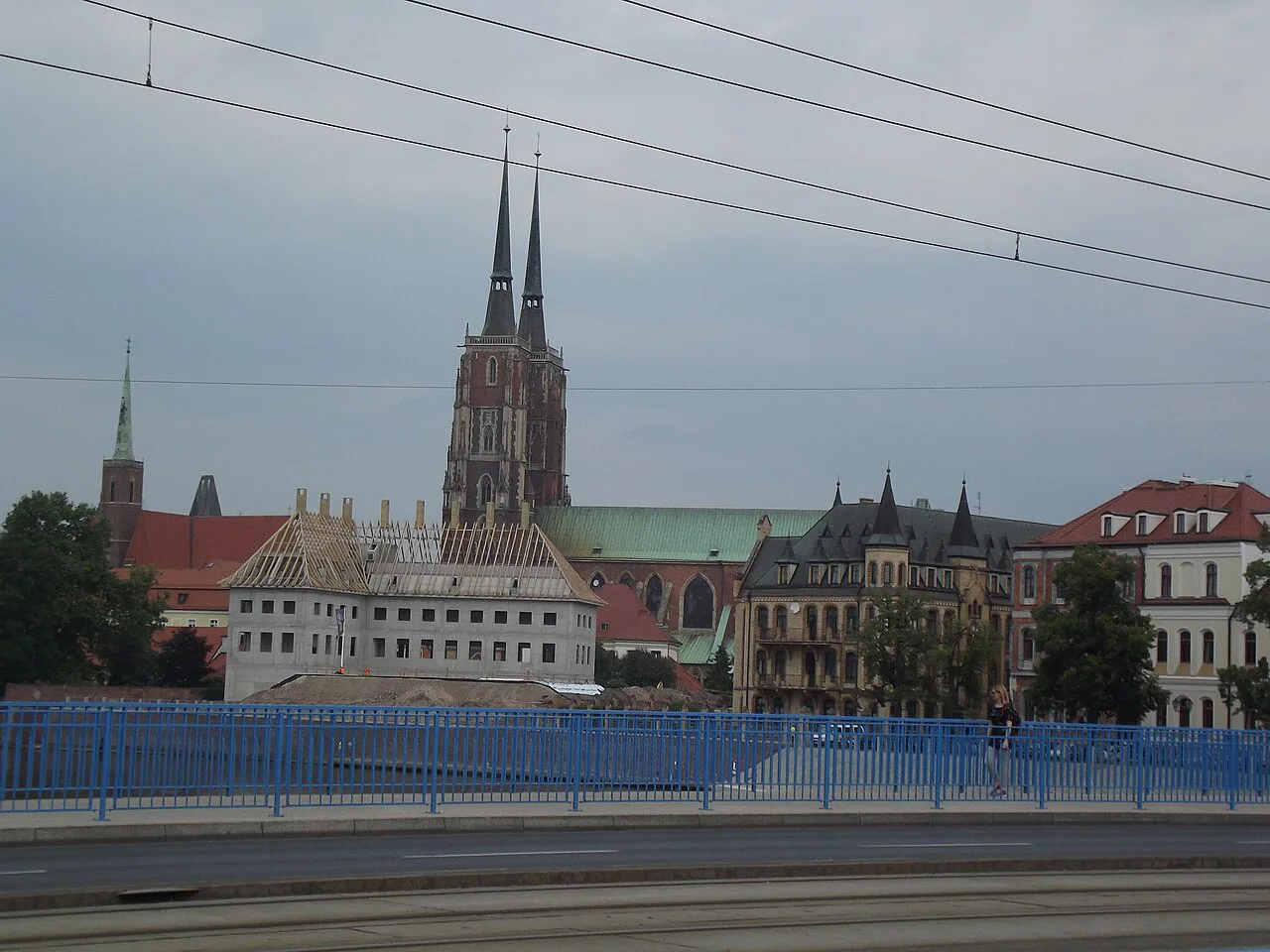
Wrocław spreads its sights across the Rynek, the university quarter and Ostrów Tumski, the old cathedral island reached on foot over the Oder. That makes it a good three-day city in June, with enough variety to fill rainy hours indoors. Poznań is smaller and easy to cover in two days around its Rynek, while Łódź rewards a longer look: Piotrkowska is the long central spine, and Nikiszowiec, the red-brick workers' estate, sits away from the centre and needs a deliberate trip.
If you want a single base rather than a tour, pick one city and give it three days: Gdańsk for waterfront history, Wrocław for islands and architecture, Poznań for a relaxed two-day pace, Łódź for industrial heritage and street life. Each works as a short break in June without needing a car. Decide by what you want to walk through, not by which is biggest, and weigh the seasons in this guide to the best time to visit Poland for a city break.
How to plan around museum opening days
Many Polish museums close one day a week, often Monday, and several run a free-entry day, so a short break can lose a whole sight if you guess wrong. Check each venue's own website for the week you travel and build your route around confirmed opening days rather than assuming a standard pattern. Sunday trading restrictions are a separate constraint worth confirming before you plan a day around shops.
A practical structure for three days is to put the biggest museum on a confirmed open day, keep the closed day for squares, churches, parks and viewpoints that do not need a ticket, and leave one slot free. If a free-entry day lands during your trip, expect it to be the busiest day at that venue and arrive early. Verify any free-entry claim on the museum's own page before you rely on it.
A spring comparison helps here: Poland in April is likelier to lose an afternoon to cold and rain, so indoor anchors matter more, and mountain areas can stay cold longer than the cities. By June the balance flips, and outdoor time can carry the day.
What things cost in złoty and how to budget
Budget in złoty (PLN) rather than converting every line, because prices in Poland are quoted in złoty and card payment is normal in cities. For a one-to-four-day break, the reliable variables are museum tickets, a couple of sit-down meals, coffee and public transport; check current ticket prices on each venue's website and treat any figure you see elsewhere as needing confirmation.
The lever that matters most is June's daylight, which is free: a long evening walk along the waterfront or around the Rynek costs nothing and replaces a paid excursion. Put your money into one or two headline museums and a good lunch, and let squares, parks and viewpoints fill the rest. Book accommodation early if your dates fall on a popular weekend, since June demand builds toward the end of the month.
June versus May and September
Mid-season is where city breaks tend to work best: May to June and September to October bring weather that is neither too hot nor too cold, with plenty to do indoors and out. Poland in September keeps that balance as summer crowds thin, which many travellers prefer for architecture-heavy days in Lower Silesia. June sits between them: warmer than May, livelier than September, and long on daylight.
The honest trade-off is weather risk against atmosphere. June gives you long evenings and full outdoor life but can bring showers and the first summer crowds; May and September trade a little warmth for calmer streets. If your priority is a bustling, warm city break, choose June; if you want quiet and mild, choose the shoulder months.
For a wider view of how the seasons compare across the year, the month-by-month picture helps you match a trip to your tolerance for heat, rain and crowds.
What to pack and wear for mixed early-summer days
Pack for two seasons in one day: a light waterproof shell, a warm mid-layer for evenings and comfortable walking shoes for cobbled squares. Daytime in June is usually mild to warm, but mornings and late evenings can still feel cool, especially in Gdańsk near the water. A small daypack with a rain cover and a refillable bottle covers most city days.
Keep clothing neutral and practical for churches and memorial sites, where covered shoulders are the safer choice. Sun protection is worth packing for long outdoor days, and a compact umbrella earns its place more than a heavy coat. If you plan a day outside the city, add sturdier shoes.
Is June the right month for your city break?
Choose June if you want warm, long days and a city that lives outdoors, and accept that showers are possible and that late June gets busier. Pick one city for three days, anchor each day on a confirmed open museum, and let squares and riverside walks fill the rest.
If you would rather avoid any summer crowding, shift to May or September and trade a little warmth for quieter streets. Either way, confirm opening days and ticket prices on each venue's own site before you travel.
Explore more Poland guides
Frequently Asked Questions
How long are the days in Poland in June?
June holds the longest daylight of the Polish year, with midsummer in the third week of the month. Practically, that means usable light well into the evening, which is why a short break can fit a museum, a walking route and a square without rushing.
Is June crowded in Polish cities?
June is generally calmer than the July and August peak, but demand builds toward the end of the month. If you want the quietest version of early summer, look at the first half of June or shift the trip to the shoulder months of May and September.
Do museums in Poland close on Mondays?
Many Polish museums close one day a week, often Monday, and some offer a free-entry day. Check each venue's own website for the week you travel and plan your biggest museum for a confirmed open day, keeping the closed day for squares, churches, parks and viewpoints.
Sources
Notes for your next Polish city break
Optional updates to our Poland guides.
You might also like

Continue reading
More guides you'll find useful