Poland in May: Weather, Cities and What's On
Plan a May city break in Poland with typical temperatures, daylight and rainfall, plus which cities suit a long weekend and where to go when it rains.
On this page
May is a strong month for a city break in Poland: days are mild, light lasts well into the evening, and the holiday season has not yet reached its summer peak. Expect changeable spring weather rather than guaranteed sunshine, and plan each city around one or two indoor anchors in case showers arrive.
This guide covers typical May climate averages, which cities suit a one-to-four-day trip, how the Polish May holidays affect crowds, and how to structure rainy days indoors. It sticks to named sights and realistic timing rather than trying to list the whole country.
What May is like in Poland
May is the last full month of spring, and across most of Poland it brings the first properly warm afternoons after a cool April. Daylength is generous, so an evening walk after a museum visit still happens in daylight, which makes a short city break feel longer than the calendar suggests.
Weather is genuinely changeable: a bright morning can turn to a sharp shower by afternoon, then clear again. Treat the month as layered rather than beachy, and keep one indoor option ready for each day so a wet spell costs you an hour rather than the whole plan.
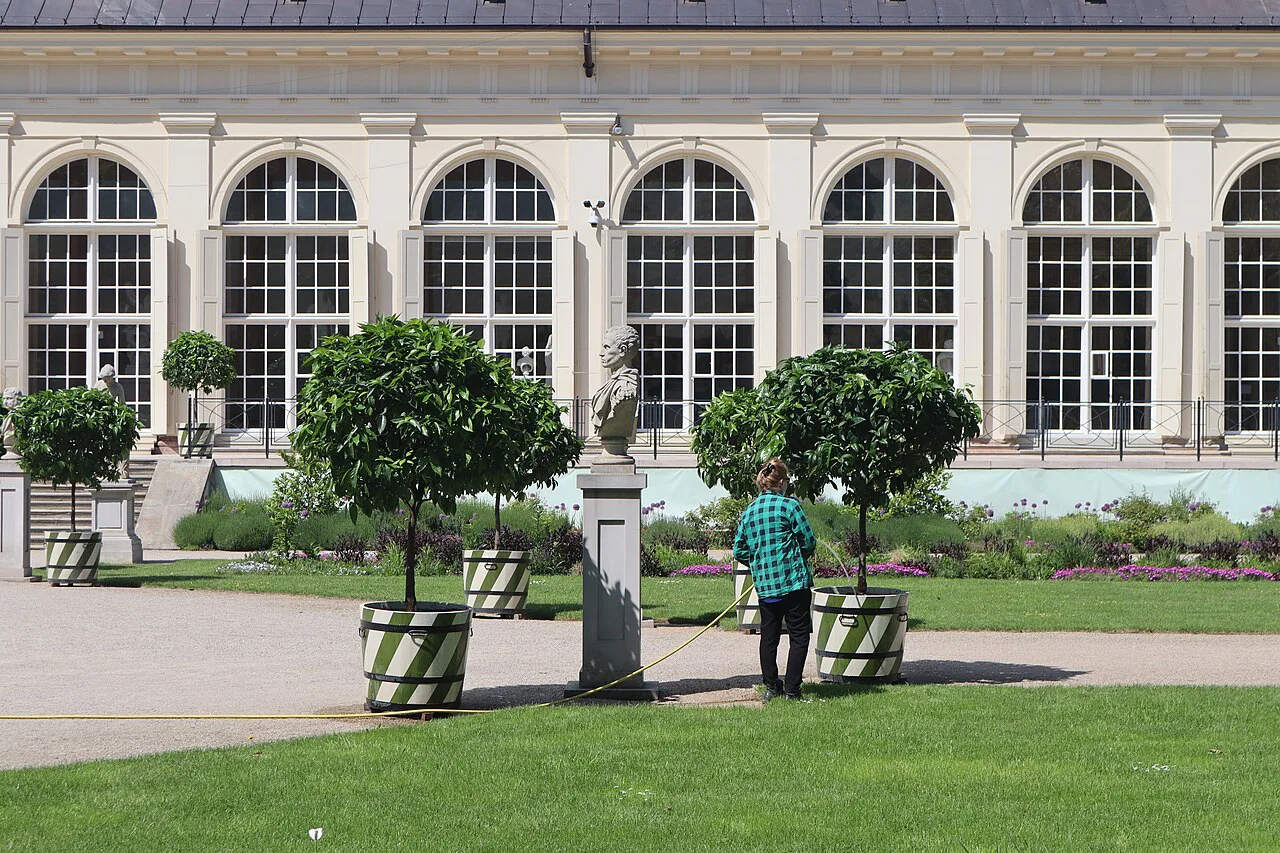
This is also the month when parks, terraces and riverside paths come into their own, so cities with green space inside the centre — Warsaw's parks, Wrocław's Odra islands, Poznań's riverside — work especially well for a break that mixes sightseeing with time outdoors.
Typical May temperatures, sunshine and rainfall
As a climate average rather than a forecast, May in Kraków typically sees highs around 20°C and night-time lows near 8°C, with roughly six hours of sunshine a day and about 49 mm of rain across the month. Pack light layers and a compact waterproof rather than assuming wall-to-wall sun.
Those are the monthly averages for one city, so treat them as an indication of clothing rather than a promise for every Polish city: the Baltic coast is typically the most changeable part of the country. Use the figures to decide what to pack, not to schedule outdoor sights on a specific afternoon.
The practical consequence is that rain is a normal part of a May trip, not a disaster. Build each day around one indoor highlight and one outdoor walk, so a shower simply reorders the plan; longer daylight means you can shift a park or riverside stroll to the evening.
Why May suits a city break of one to four days
A short break is the right shape for Poland in May: three nights gives you two full sightseeing days plus arrival and departure, which is enough for one city done properly. Trying to combine two cities in that time usually means spending the middle day on a train.
If you can stretch to four days, add a single half-day excursion from your base rather than a second city. That keeps the trip relaxed and leaves room for a rainy afternoon without losing a headline sight.
May also works well for travellers who want cities rather than resorts: museum collections, old towns and market squares are all open and busy without the peak-summer crush. Compare the month with Poland in June if you want warmer evenings and longer terrace hours.
The May holidays and long weekends
Poland's May calendar clusters public holidays early in the month, which produces long weekends and short working weeks. Those dates are the busiest of the month for domestic city breaks, so book transport and the key indoor sights ahead rather than deciding on the day.
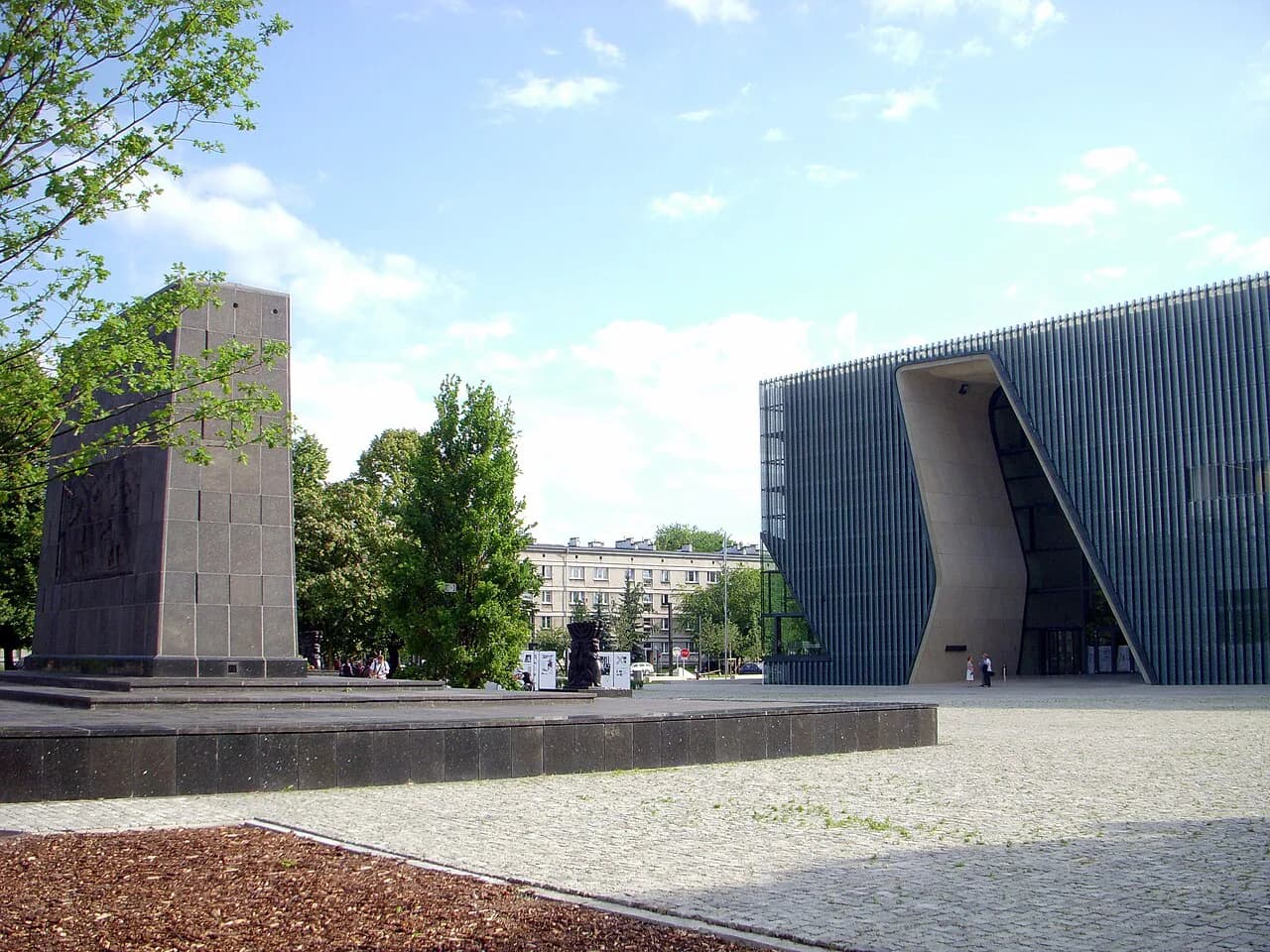
A long-weekend city round-up points to Warsaw, Wrocław, Poznań and Gdańsk among the urban picks, and in the capital names museums such as the POLIN Museum, the Warsaw Uprising Museum, the Copernicus Science Centre and the Zachęta Gallery. Use those names to build a wet-weather shortlist.
Outside the holiday weekends, May weekdays are noticeably calmer, which suits travellers who want old towns without queueing. If your dates are flexible, put the headline museum on a weekday and keep the long weekend for streets, parks and squares.
Warsaw in May: museums and galleries for a wet day
Warsaw is a strong choice when the forecast is mixed, because several indoor sights sit close to the centre. The Museum of Modern Art, Zachęta Gallery and the Copernicus Science Centre are named in a long-weekend city round-up, while the POLIN Museum and the Warsaw Uprising Museum each reward a half-day.
Plan Warsaw as two days: one for the historic core and one for museums, with the riverside and parks filling the gaps between showers. A third day lets you slow down and revisit a favourite area rather than rushing between collections.
Check each venue's own site for the day it closes and whether timed entry is required, since Warsaw's bigger museums operate booking systems that change with the season. That check takes minutes and prevents a wasted morning.
Wrocław in May: Odra islands, Rynek and the dwarfs
Wrocław's centre is compact and walkable, with the Rynek as the obvious starting point and the Odra islands giving the city its distinctive watery layout. In May that combination is ideal: you can alternate square, riverbank and museum without long transfers.
Give Wrocław two full days, with a third if you want time on the islands and in the quieter streets beyond the main square. The famous dwarf figures are scattered across the city, so treat them as something you notice while walking rather than a route to tick off.
Wrocław also makes a sensible base for spring exploring in Lower Silesia if you extend the trip. If your dates slip earlier in the year, see Poland in April; if you want a wider seasonal view for a city break, the Best Time to Visit Poland for a City Break guide compares the months.
Poznań in May: the Old Market Square and Cathedral Island
Poznań splits neatly into two halves for a short break: the Old Market Square with its surrounding streets, and Cathedral Island, which sits across the river and gives the city its oldest layers. One day covers the square and its museums; a second covers the island and the walk between them.
May suits this layout because the connecting walk is pleasant rather than a chore, and the square is at its best when you can sit outside between sights. Keep an indoor option for the middle of the day if showers build.
Poznań is often used as a stopover on the Berlin–Warsaw corridor, but it deserves a proper overnight rather than an afternoon. Two nights is enough for the headline sights without rushing.
Gdańsk in May: Główne Miasto, Długi Targ and the Żuraw
Gdańsk's Główne Miasto, or Main Town, is the heart of a city break here: Długi Targ is the long market square, and the Żuraw, the medieval crane on the waterfront, is the landmark most visitors photograph first. Two days covers the Main Town, the waterfront and one museum comfortably.
The Baltic location makes May weather the most unpredictable of the cities covered here, so treat the seaside as a bonus rather than the plan. Sopot's beach is a short trip away if a clear day arrives, but the old town and its museums are the reliable core.
Late May is noticeably busier than early May, and the long holiday weekend fills the Main Town quickly. Booking a couple of weeks ahead for that period is worthwhile if your dates are fixed.
Łódź in May: Piotrkowska and industrial heritage
Łódź is the most underrated of the big Polish cities for a short break, and its centrepiece is Piotrkowska, the long pedestrian street lined with restored nineteenth-century facades. Walking its length is the main event, and it works well in May when the weather invites loitering.
The city's industrial heritage gives it a distinct character, with former factory complexes now housing museums and cultural venues. One full day on Piotrkowska and the surrounding streets plus one for a factory-turned-museum is a realistic plan.
Łódź rewards travellers who have already seen Warsaw and Wrocław and want something different, but it is not the obvious first Polish city break. Reserve it for a second or third trip.
How many days each city needs in May
For a first visit, allow two full days in Warsaw or Wrocław, two in Gdańsk, and two in Poznań; Łódź needs one to two. Add a day if you want a slower pace, a day trip, or a buffer for wet weather.
A three-night break fits these plans neatly: arrive on the first evening, sightsee for two full days, and leave on the fourth morning. Anything shorter and you spend more time in transit than in the city.
If your trip falls on a long holiday weekend, assume the same itinerary takes longer because of crowds. Book the main indoor sight for a fixed slot and leave the rest flexible.
What to pack and how to plan around a rainy day
Pack for a range: a light waterproof, a warm mid-layer for evenings near 8°C, and comfortable shoes for cobbled squares. May averages suggest you will not need heavy winter kit, but an evening without a jacket is a gamble.
Plan each day as one indoor highlight plus one outdoor area, so a shower just swaps the order. Museums with timed entry should be booked for the morning if you want the option of walking later in the day.
If rain settles in for a full day, choose a large museum rather than a small one — the bigger Warsaw collections can absorb three hours. For a flexible comparison of months, see the best time to visit.
Where to go beyond the cities in May
If you want landscape rather than streets, the Tatra Mountains around Zakopane are at their most accessible in late May, though paths at altitude can still hold snow. Treat mountain plans as weather-dependent and keep a town base as a fallback; Poland in April is the cooler shoulder-season comparison.
The Baltic coast and the Masurian lakes are pleasant in May but cool, and the sea is not yet warm enough for most swimmers. For a warmer coastal and lakeside trip, Poland in July is a better match.
For a quieter landscape close to a city, Kazimierz Dolny and the surrounding countryside reward a day out from Warsaw. If you want a wider seasonal view before choosing dates, the Best Time to Visit Poland for a City Break guide compares the months.
Which Polish city should you book for May?
For a first May city break, choose Warsaw if you want the deepest museum choice, Wrocław if you want the most walkable centre, or Gdańsk if the waterfront matters more than the forecast. All three work on a three-night trip with two full sightseeing days.
Book the headline museum for a fixed time before you travel, keep one indoor option spare for each day, and treat the long holiday weekend as the busiest part of the month. For a wider view of the seasons, compare the Best Time to Visit Poland for a City Break before you commit.
Explore more Poland guides
Frequently Asked Questions
Is May a good time to visit Poland?
Yes. May typically brings mild days, long daylight and a manageable level of crowds outside the holiday weekends, making it well suited to a short city break.
What is the weather like in Kraków in May?
As a climate average, Kraków sees daytime highs near 20°C and night-time lows around 8°C in May, with roughly six hours of sunshine a day and about 49 mm of rain across the month. Treat that as typical weather rather than a forecast for your dates.
Is there a Polish holiday in May?
Poland's May calendar clusters public holidays early in the month, producing long weekends that are the busiest domestic travel dates of the spring. Expect fuller old towns and museums around those days.
Sources
Notes for your next Polish city break
Optional updates to our Poland guides.
You might also like

Continue reading
More guides you'll find useful