Poland in October: Weather, Cities and What to Expect
Poland in October brings cool, changeable weather and thinner crowds. Here is what to expect and which Polish cities suit a short autumn break.
On this page
October works well for a Polish city break when you accept cool, changeable weather and build your days around museums rather than long walks. Days are shorter and evenings cold, but queues thin out and the main squares feel calmer than in high summer. This guide sets out typical conditions, how each city changes in October, what to wear and how to structure a trip of one to four days.
The month suits travellers who want named sights without the peak-season crush: the Rynek in Wrocław, Główne Miasto in Gdańsk, Piotrkowska in Łódź and the Old Town in Warsaw all remain fully open. If you are weighing October against warmer months, compare it with the best time to visit Poland before you book flights.
What October weather in Poland is actually like
Kraków in October averages about 9°C across the day, with lows near 5°C and highs around 13°C according to Thomas Cook's climate guide. The same guide advises packing warm clothes, including hats and gloves, and treats these as typical averages rather than a forecast for your dates.
The colder-than-September pattern is typical of most of the country, and the chance of an early dusting of snow is small. Insight Guides describes October weather as pleasant but frequently wet, and advises bringing a waterproof. In practice that means a light rain jacket earns its place in your bag more than an umbrella.
For the best odds of dry walking weather, aim for the first half of the month rather than the last, when the autumn rains set in more firmly.
Why October suits city breaks
Off-season travel in Poland is quieter and generally cheaper, with pleasant temperatures and far fewer tourists than summer, as LOT's autumn guide puts it. For a city break that translates into shorter queues at ticket desks, easier tables at lunch and room to move through market squares. The trade-off is that you will spend more of each day indoors than you would in June.
Autumn colour is the other reason to come now. Parks and riverside paths turn red, yellow and orange through October, which makes a long riverside walk the best outdoor option on a dry day. Build one walk into each day and keep a museum in reserve for the wet afternoons.
Kraków in October: cooler days and busy sightseeing
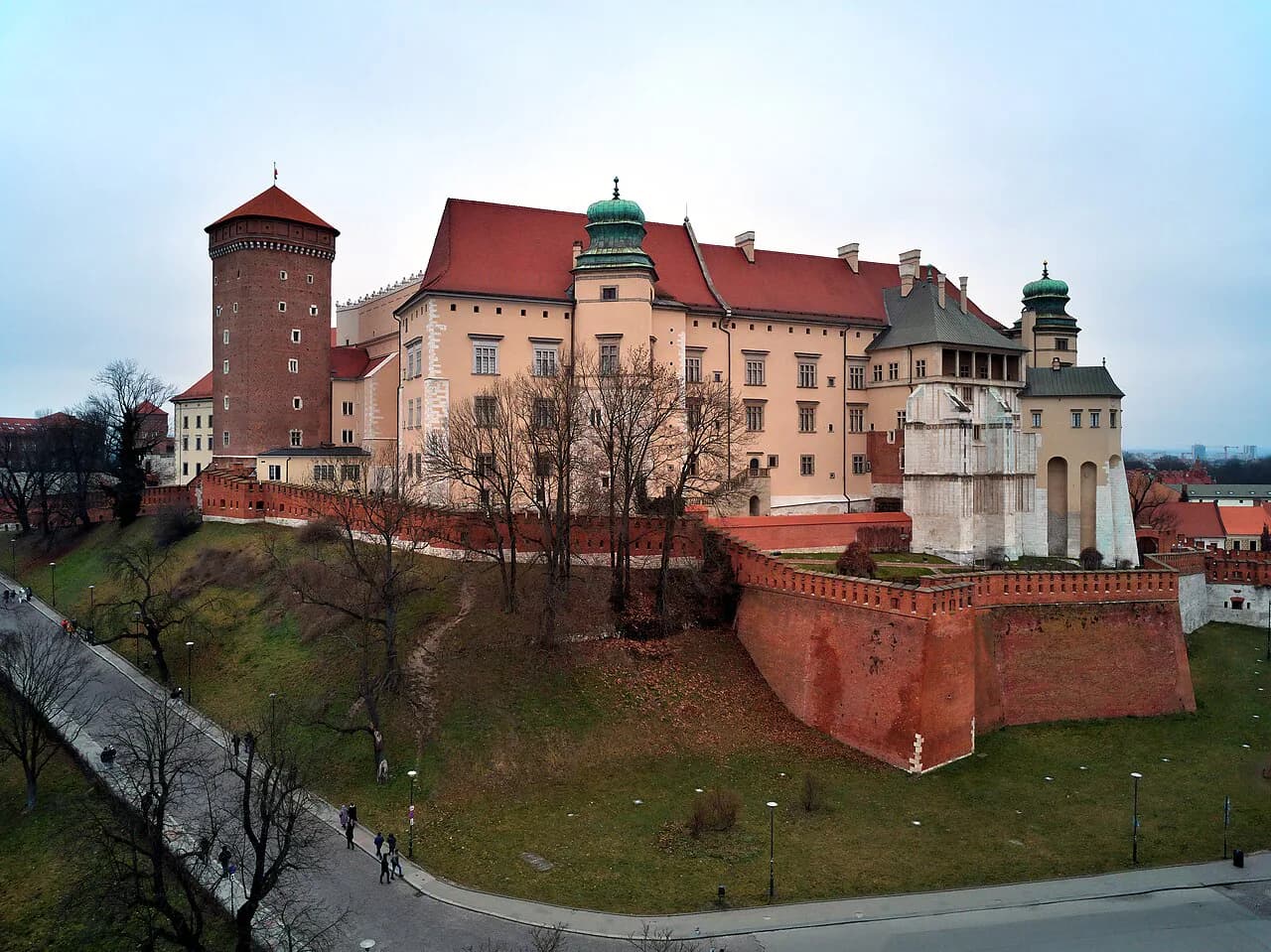
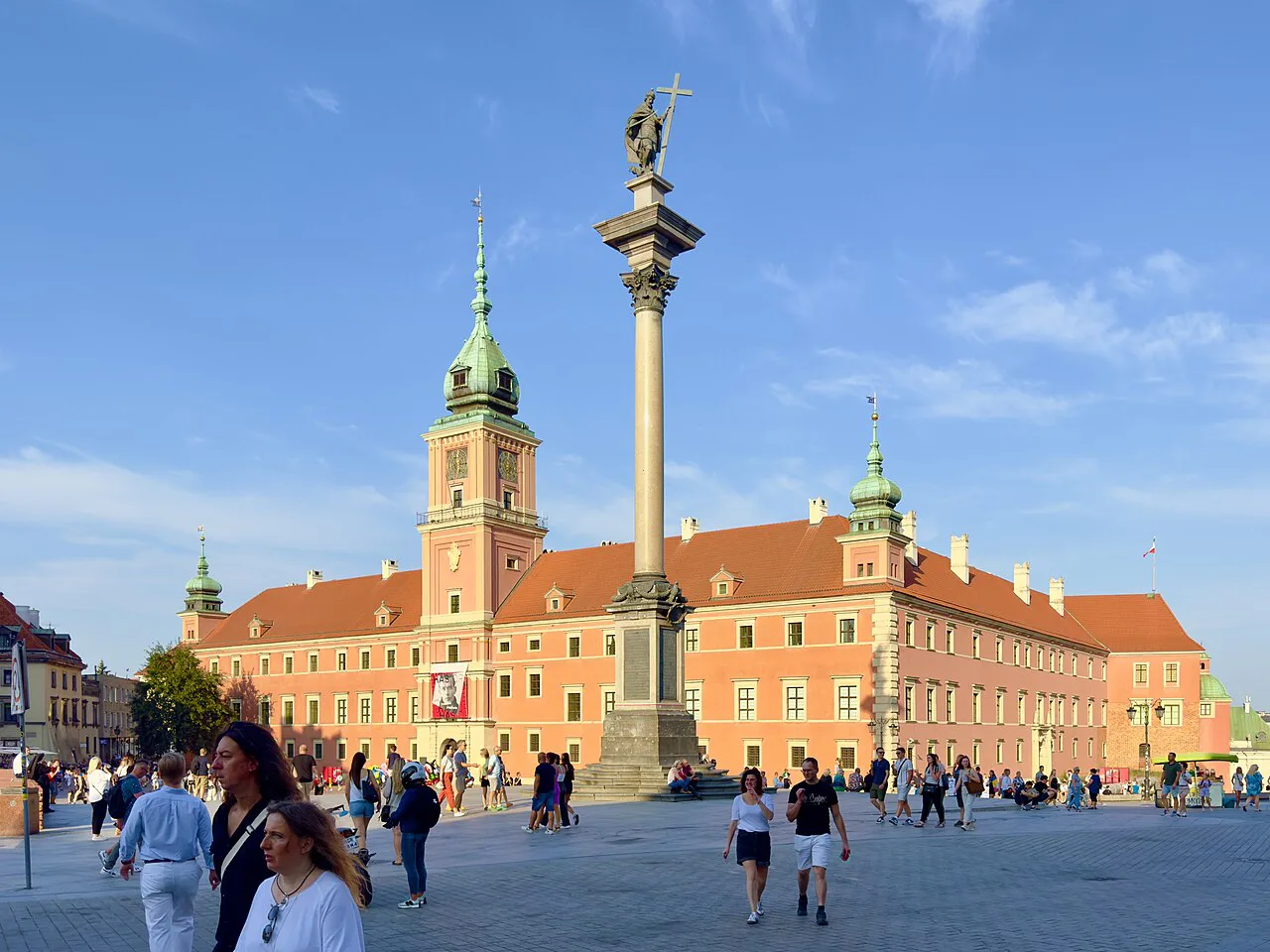
Kraków remains the busiest city in Poland for short breaks, and October takes the edge off the crowds without emptying the Rynek Główny. The city's medieval centre and former Jewish quarter of Kazimierz are the core sights, and both reward slow walking rather than rushing. Cooler days make the climb up to Kościuszko Mound or a wander around Wawel more comfortable than in August.
Allow two full days for Kraków: one for the Old Town and Wawel, one for Kazimierz and the former ghetto area across the river. Rainy afternoons are the moment for the city's museums, but confirm opening days before you go, since Polish museums commonly close one day a week.
Wrocław in October: riverside walking and autumn colour
Wrocław suits October better than most Polish cities because so much of it is pleasant to walk in cool weather. The Market Square and the cathedral island of Ostrów Tumski sit within a comfortable half-day loop, and the Odra islands and bridges give you riverside paths lined with turning trees. LOT's autumn feature singles out Wrocław as a city with particular charm in the season.
Two days cover the centre comfortably, with a third if you want to slow down. When rain sets in, the covered market hall on the Market Square and the city's museums keep you dry without wrecking the day.
Gdańsk and the Baltic coast in October: wind, rain and quieter streets
Gdańsk is the most weather-exposed of the main city-break options, and October brings wind and frequent rain off the Baltic. The compensation is atmosphere: Główne Miasto, Długi Targ and the Żuraw along the Motława look dramatic under grey skies, and the streets are far quieter than in summer. The coast itself empties out, with beaches and promenades best enjoyed in short, wrapped-up bursts rather than long afternoons.
Plan Gdańsk around two days with a generous indoor allowance, so one wet afternoon does not undo the trip. The streets along the Motława are quieter than in summer, and the city's museums absorb a damp half-day.
Warsaw and inland cities in October
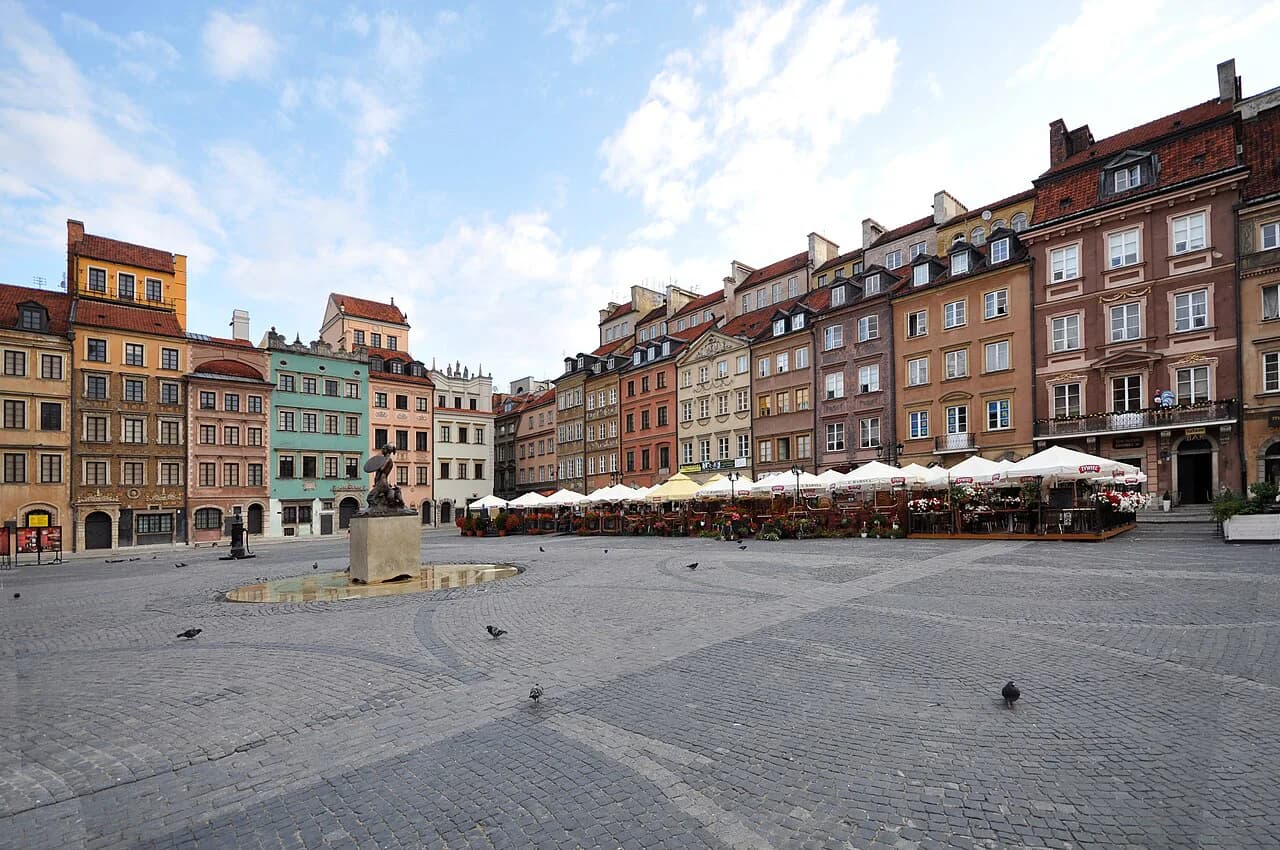
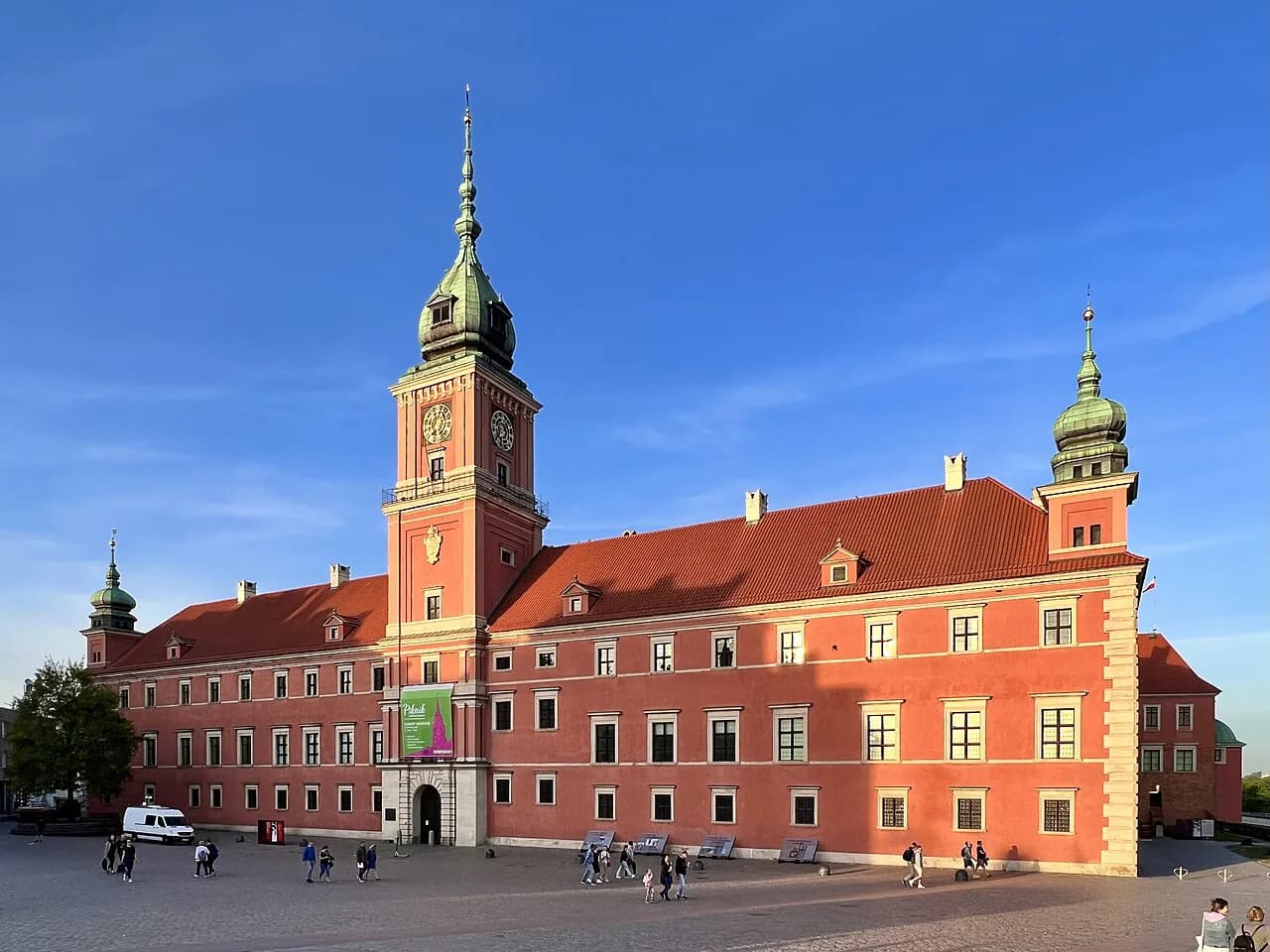
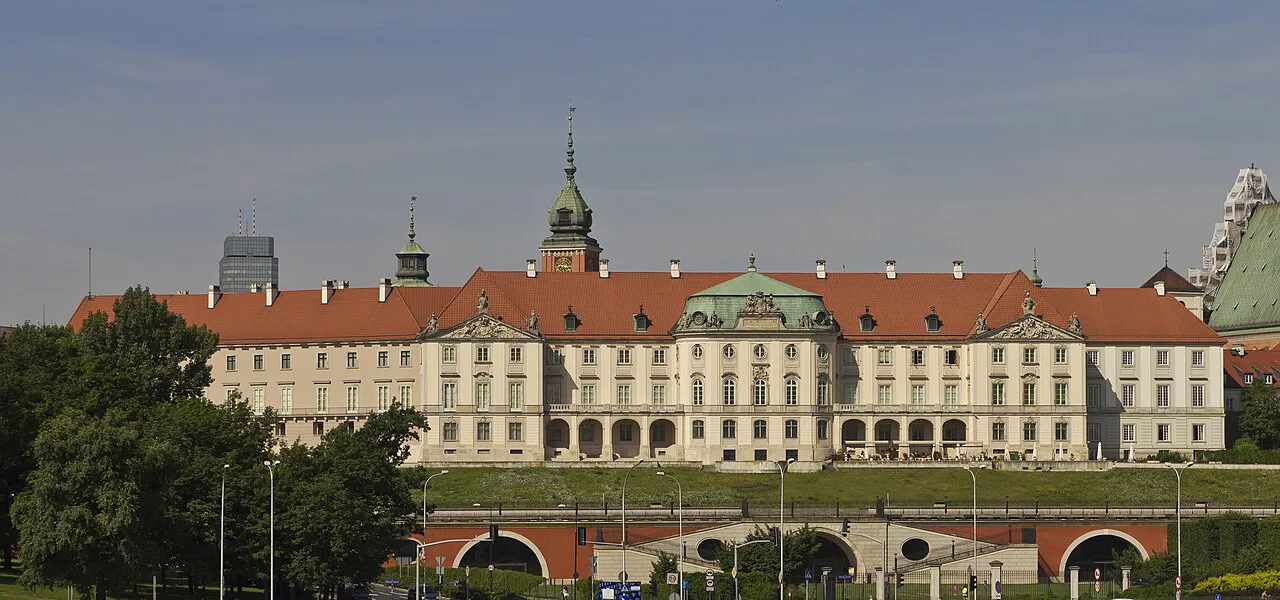
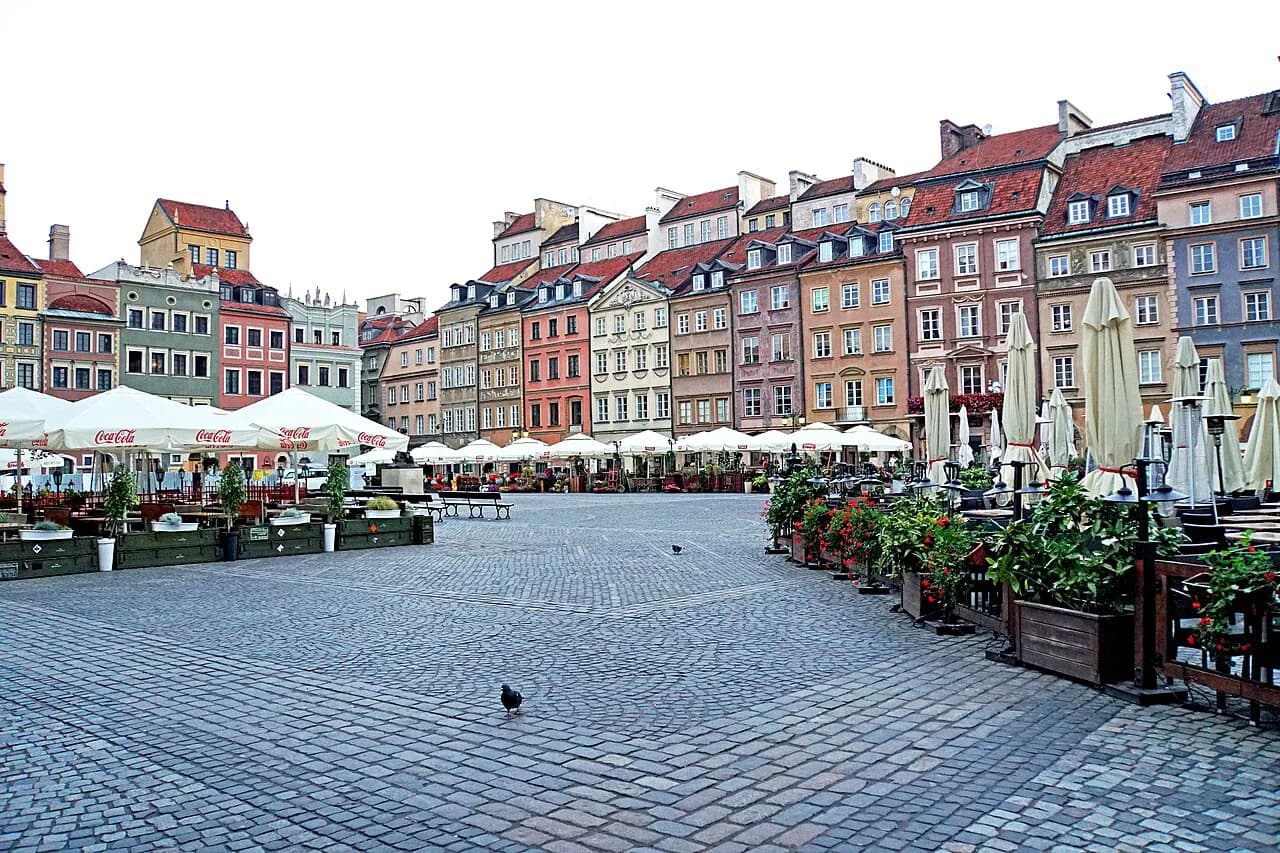
Warsaw is the most indoor-friendly of the big cities, with a dense cluster of museums, galleries and memorials within walking distance of the centre. The rebuilt Old Town, Łazienki park and the Warsaw Uprising Museum each fill a half-day, and the city's size means you will use trams and the metro between them. October's shorter days make a compact itinerary more sensible than ambitious cross-city walks.
Łódź and Poznań are good second-tier choices for a shorter break: Piotrkowska in Łódź is one of Europe's longest shopping streets, and Poznań's compact Rynek is easy to cover in a day. Both feel noticeably calmer in October, which suits a two-night trip.
What to pack and wear for a Polish city break in October
Pack for layering: a warm mid-layer, a waterproof outer shell, a scarf and gloves for the evenings. Thomas Cook's guide is blunt that October in Kraków calls for warm clothes including hats and gloves, and the same advice applies nationwide. Comfortable waterproof shoes matter more than a second pair of jeans, because cobbled squares stay slick after rain.
Bring a small day bag that fits a folded rain jacket and a charged phone for maps. An umbrella is useful in cities but awkward on windy Baltic streets, where a hooded waterproof earns its keep.
Rainy-day options: museums, churches and covered market halls
Every major Polish city has a reliable wet-weather core: the national museums, city history museums, cathedral and church interiors, and covered market halls. In Wrocław the Market Square's covered hall and the nearby museums work well; in Kraków the galleries around the Rynek and the Wawel complex can absorb a whole afternoon. In Gdańsk, the riverside museums along the Motława are the obvious first call.
Two practical rules save wasted trips. First, check each museum's opening days before you leave, because a weekly closing day is common. Second, check whether there is a free-entry day, which several Polish museums run; it changes the value calculation but also brings crowds.
Daylight and planning your days around shorter afternoons
October daylight shrinks quickly and the sun sets early in the afternoon. Plan outdoor sights and viewpoints for the morning and early afternoon, and keep museums for the last part of the day. That single habit makes a short break feel much less rushed.
If your priority is long evenings outdoors, October will frustrate you; consider Poland in September instead. If you want thin crowds and atmospheric squares after dark, the early sunset is a fair trade.
Costs and value in złoty outside peak season
October generally brings lower prices and quieter streets than the summer peak, which is exactly why off-season city breaks appeal. Budget in złoty for museum tickets, tram fares and meals, and check current prices on each venue's own website before you travel, since ticket prices change.
The bigger saving is usually accommodation and flights, not museum tickets. If you are comparing months, the pillar guide on the Best Time to Visit Poland for a City Break sets out how the seasons differ.
Autumn city atmosphere in October
Autumn colour and off-season calm are the strongest October draw, and LOT's guide treats Wrocław as a city with particular seasonal charm. Events and openings change year to year, so check each city's official tourist office site close to your dates rather than relying on last year's calendar.
For quieter, smaller-scale October trips, look at Kazimierz Dolny and the Lesser Poland countryside, where autumn colour is the main draw. If you want a warmer, greener version of the same trip, compare with Poland in April or Poland in May.
Honest trade-offs: colder evenings, wet days and early sunsets
The case against October is straightforward: cold evenings, a real chance of rain on any given day, and dark afternoons that cut sightseeing short. Insight Guides notes that autumn rain is frequent, so you should accept one or two washed-out afternoons on a four-day trip.
The case for it is equally clear: smaller crowds, lower prices and a more local feel in the main squares. Travellers who want guaranteed sunshine should look at Poland in July or Poland in August; those who prioritise atmosphere and value will find October rewarding.
How many days each city needs in October
Two full days is the comfortable minimum for Kraków, Wrocław or Gdańsk, with a third day adding breathing room for rain. Warsaw needs two to three days because its sights are more spread out. Łódź and Poznań work well as a two-night break.
Because afternoons are short, treat a 'day' as roughly six usable hours rather than a full daylight stretch. That arithmetic is why October trips often feel fuller than their calendar length suggests.
Which Polish city suits your October break?
Choose Wrocław or Kraków if you want the best balance of autumn colour, walkable sights and indoor cover for wet afternoons. Pick Warsaw if museums are your priority, and Gdańsk if you accept wind and rain in exchange for a quieter, more dramatic Baltic city. For a short two-night trip, Łódź or Poznań keep the logistics simple.
Whichever you choose, book around the shorter days and check opening days for the museums you care about before you travel. Then compare the month with Poland in June or Poland in spring to see whether October's trade-offs suit you.
Explore more Poland guides
Frequently Asked Questions
Does it snow in Poland in October?
Snow in October is possible but uncommon; Thomas Cook describes Kraków's October as cold with a very small but possible chance of snowfall. Treat any snow as a bonus rather than a planning assumption, and pack for rain instead.
Is October a good time to visit Poland?
Yes, if you want thinner crowds, lower prices and autumn colour, and you are willing to pack for cold, wet days. If you need reliable sunshine and long evenings, a summer month suits better.
How cold is Poland in October?
Kraków averages around 9°C across the day in October, with highs near 13°C and lows near 5°C, according to Thomas Cook's climate figures. Expect similar or slightly cooler conditions elsewhere, and colder evenings throughout the month.
Sources
Notes for your next Polish city break
Optional updates to our Poland guides.
You might also like

Continue reading
More guides you'll find useful