Poland in Summer: Where to Go and What to Expect
Plan a Polish city break in summer: typical temperatures, which cities work best, how crowds and prices shift, and what to book before you arrive.
On this page
Summer in Poland is warm rather than scorching, and the cities give you more to do in the heat than the coast does. Typical inland July averages sit around 22–25 °C in Kraków, while the Baltic coast stays breezy and the Tatra Mountains rarely push past 20 °C, which makes the north and the hills the comfortable choice in a hot spell. This guide covers which cities work best for a one-to-four-day break, how June, July and August compare, and the practical traps around museum closing days and Sunday trading.
What summer in Poland is actually like
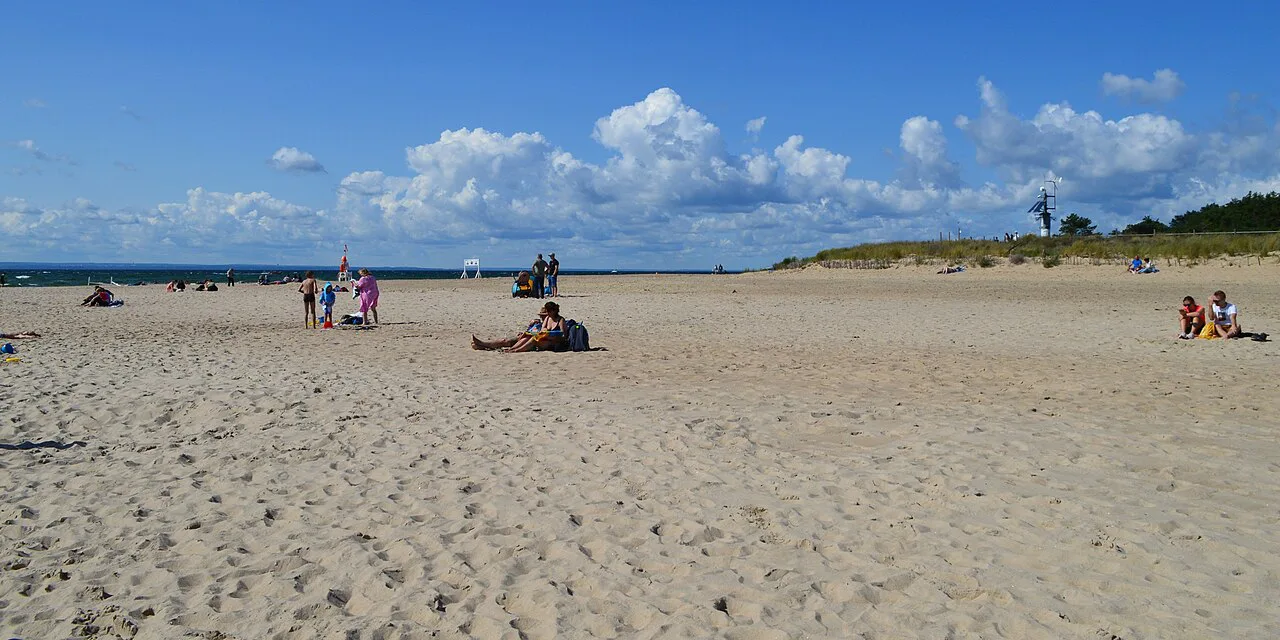
Treat the country as two climates in one season. Inland cities such as Kraków, Warsaw and Wrocław build heat on sunny squares and stone streets, with July averages of roughly 22–25 °C and long evenings that make outdoor sightseeing easy. The Baltic coast and the southern mountains run cooler, so Gdańsk, Sopot and Zakopane give you a light jacket kind of day while the interior swelters.
Rain falls year-round, so plan a city break around a mix of indoor and outdoor stops rather than betting on a dry week. The upside of the northern latitude is daylight: summer evenings stretch late, which suits a late afternoon at a park or a riverside walk after a museum closes. If you are weighing the season against spring or autumn, the wider comparison in the Best Time to Visit Poland for a City Break sets summer against the other months before you fix dates.
Which Polish cities suit a summer city break
For a short break, pick one city and give it two to four days rather than trying to string several together. Gdańsk gives you a walkable Main Town and the water; Warsaw gives you scale, green space and riverbank life; Wrocław, Poznań and Łódź give you squares, parks and long evenings without the biggest crowds. A first visit in June, before the domestic holiday peak, is the easiest introduction.
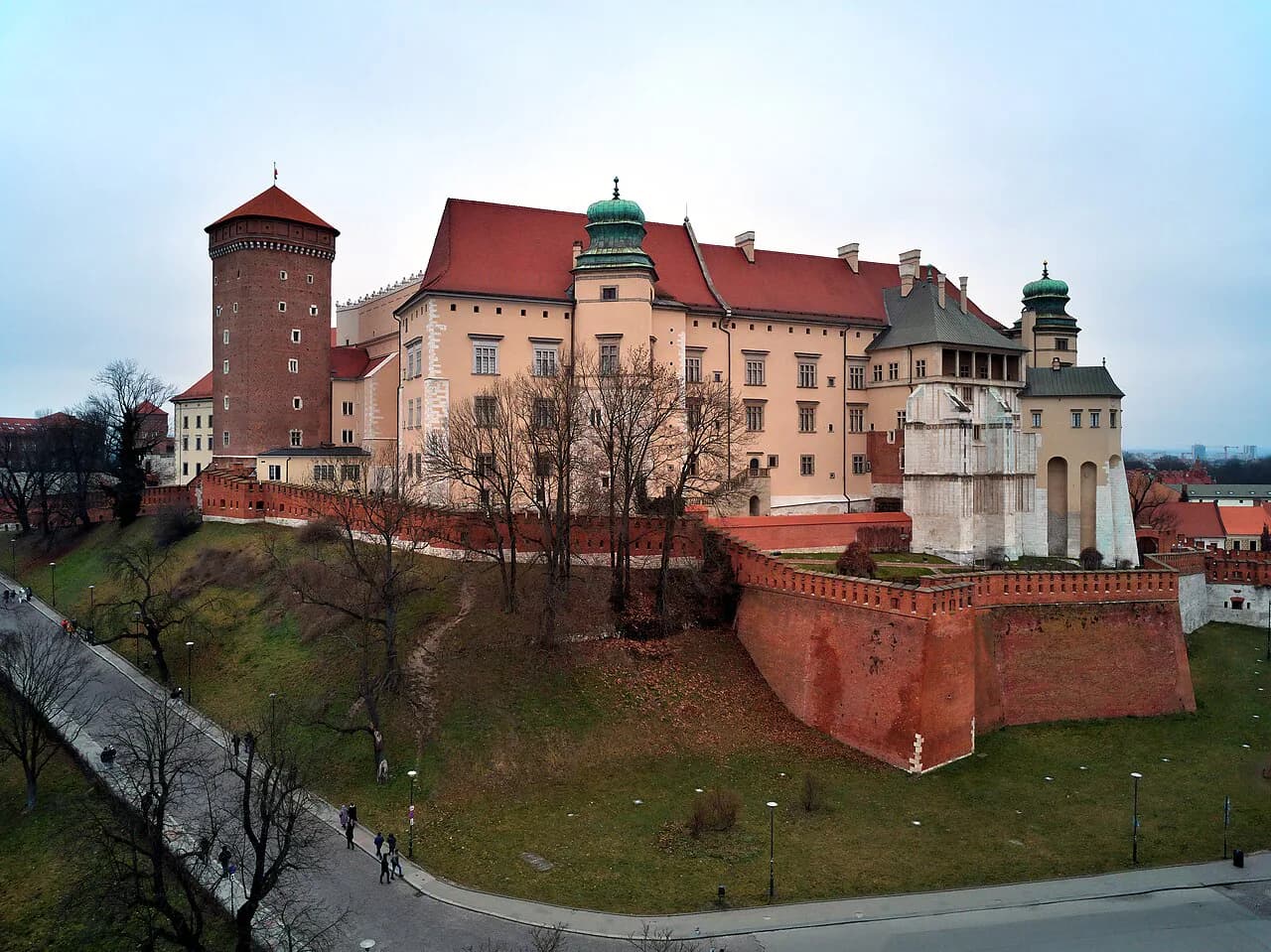
Kraków is the obvious transport hub and the busiest city for international visitors, so it works as a comparison point rather than the core of this guide. If your dates land later in the season, the case for July and August changes the crowd picture considerably.
Gdańsk and the Tricity in summer
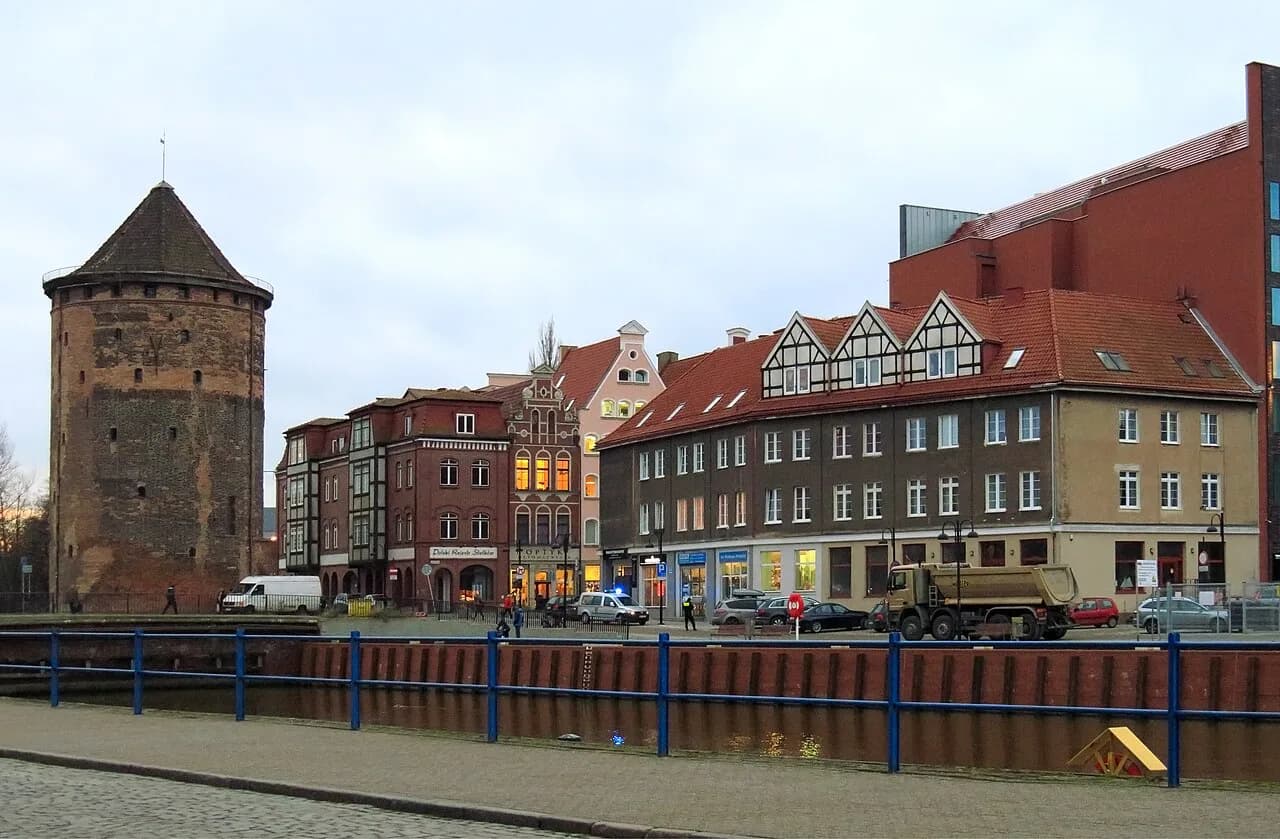
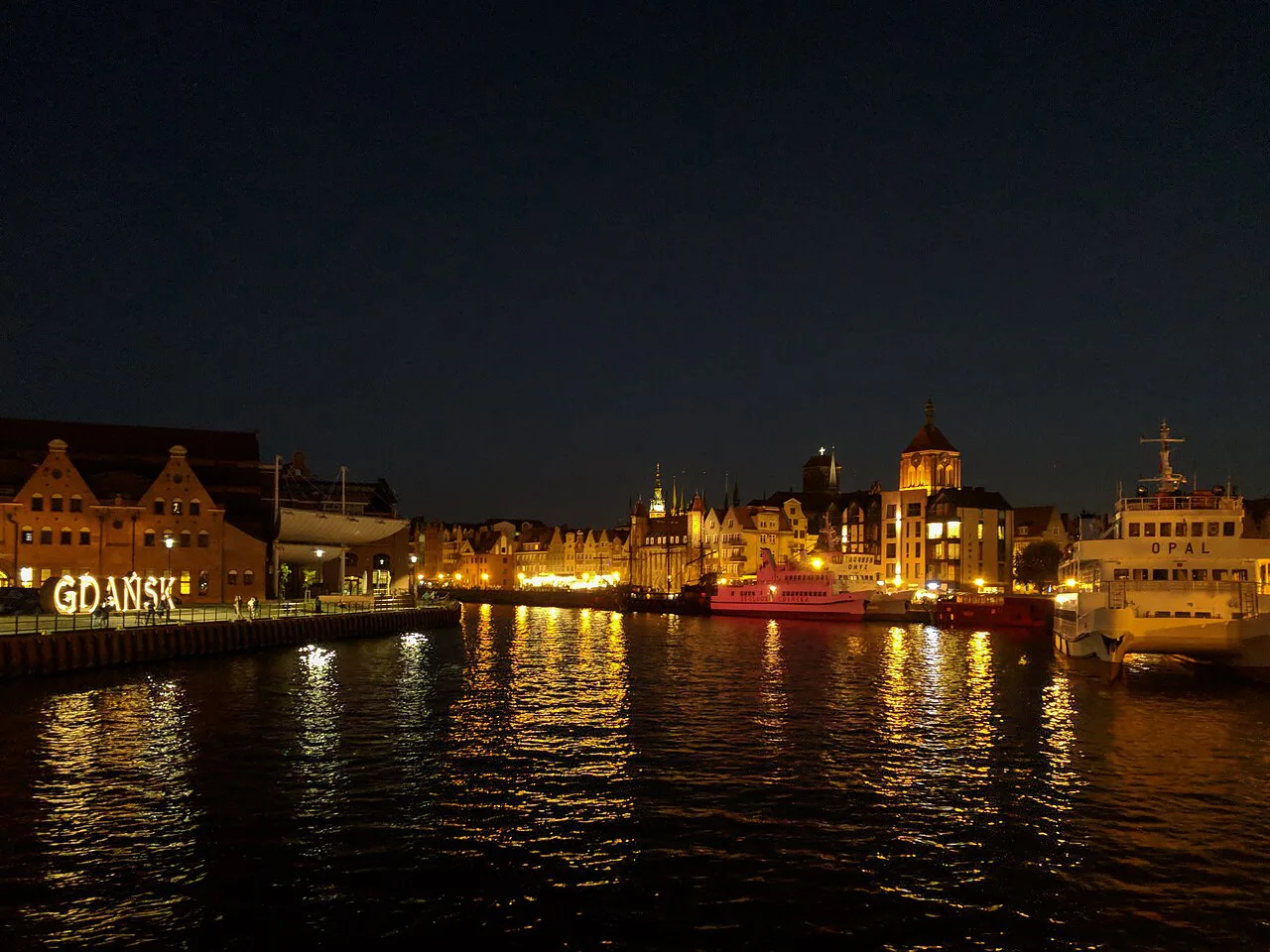
Gdańsk is the strongest summer city break in the north because the Baltic keeps the heat down while the sightseeing stays dense. Walk Długi Targ (Long Market) in the Main Town, follow the Motława waterfront past the Żuraw (the Crane), and use the flat centre for an easy day on foot. Sopot's beach and pier are one short hop away, and Gdynia's Kościuszki Square and Experyment Science Centre give the Tricity a third centre worth a half-day.
The trade-off is weather rather than crowds: sea breezes mean you may want a layer even in July, and a cloudy day on the coast is genuinely cool. Build in one indoor stop such as the Hevelianum Centre, then spend the rest of the day outdoors. If you are choosing between late spring and high summer on the coast, Poland in April covers the cooler version of the same planning before the summer crowds arrive.
Warsaw in summer
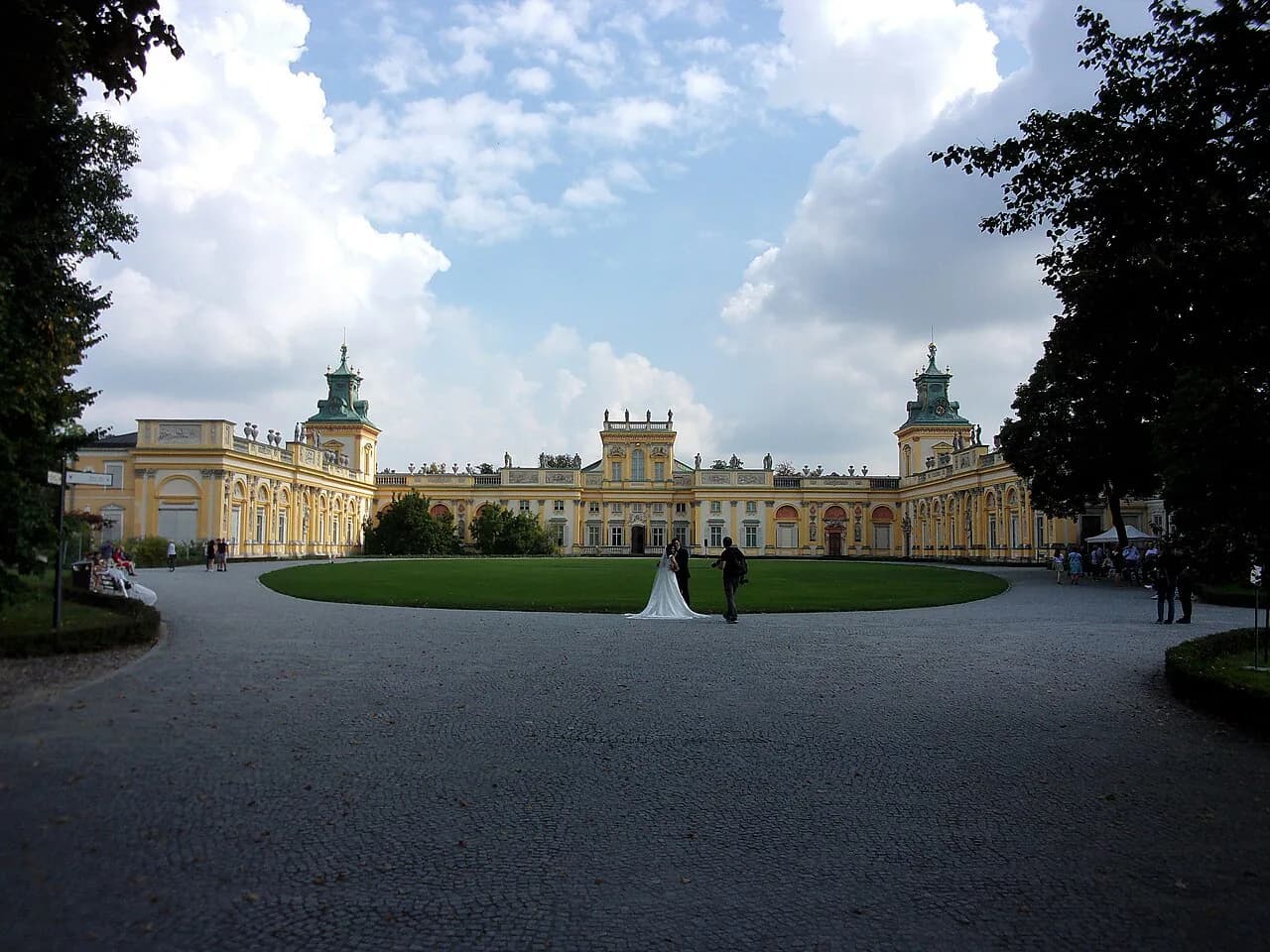
Warsaw rewards a summer visit because so much of the city's best sightseeing happens outdoors. The Vistula Boulevards give you a riverfront walk on the Praga side, Łazienki Park offers shade and space, and Wilanów Palace sits far enough out to feel like a half-day excursion. The garden on the roof of the University of Warsaw Library is a viewpoint over the river, the National Stadium and the Copernicus Science Centre.
Green space matters here more than in the smaller cities because the centre is spread out and the summer heat builds on asphalt. Plan outdoor stops for the morning and late afternoon, with a museum or a long lunch in the middle of the day. Chapter the rest of the month with Poland in August if your trip falls late in the season.
Wrocław, Poznań and Łódź in summer
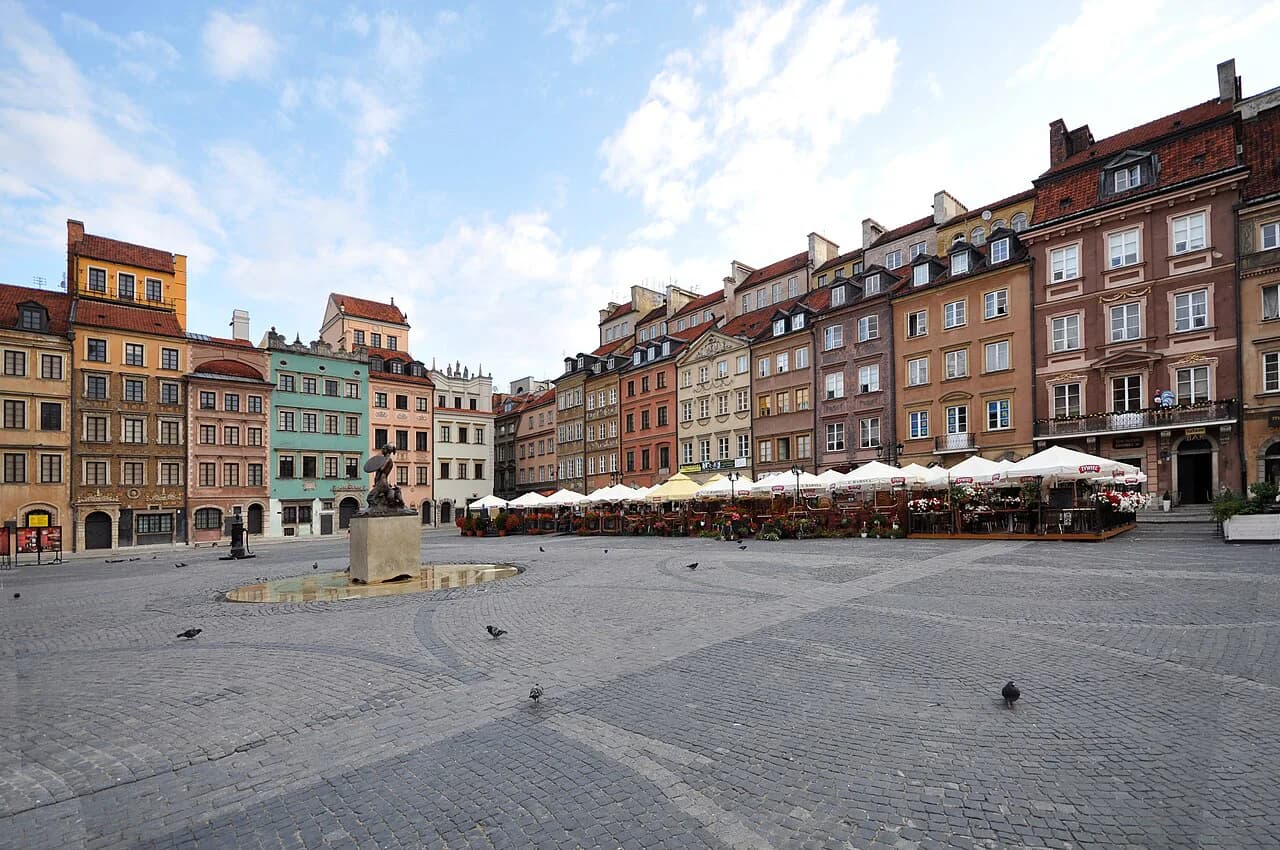
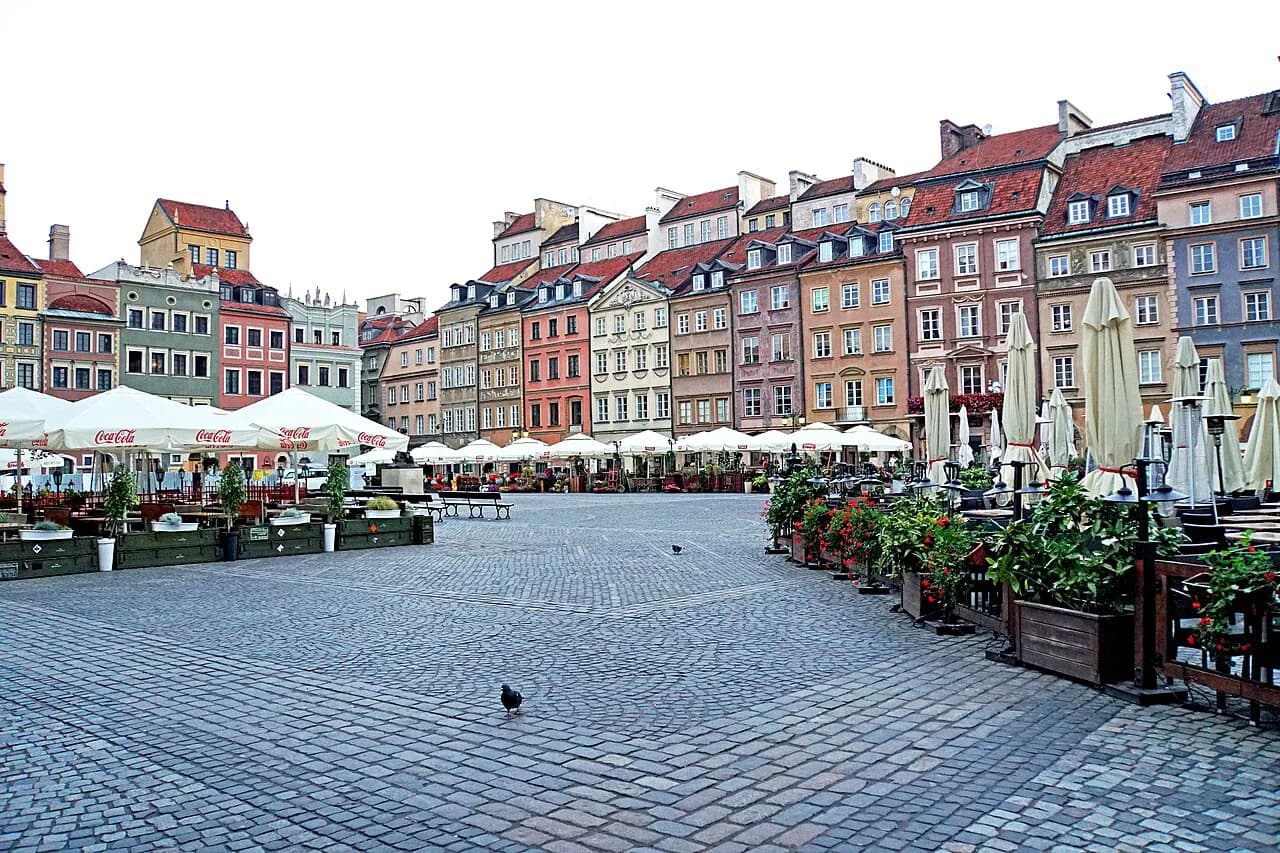
The smaller city breaks are where summer works hardest, because the whole point is a square, a park and a long evening outdoors. Wrocław's Rynek and Ostrów Tumski reward slow wandering, Poznań's old market square fills with outdoor seating, and Łódź's Piotrkowska gives you a long pedestrian spine to walk after dinner. These cities absorb summer visitors better than the headline destinations and need two days each, three at most.
Use them as the second city on a longer trip rather than the only one, and book accommodation early if your dates sit in the domestic holiday window. If you are travelling outside high summer, the shoulder-season picture in Poland in September is a useful contrast.
June, July or August: which month to pick
June is the best balance for a city break: long evenings, fewer domestic holidaymakers and more room to move on the main squares. Late June is the pick if you want the Tatras or the coast without the peak-season press. July is the busiest month for Polish domestic tourism, so the coast fills and mountain resorts feel hectic.
August is the warmest and the most active on the coast, but it is also when accommodation needs booking well ahead. If your dates are flexible, weigh the heat against the crowds rather than assuming later is better. The wider seasonal comparison in the best time to visit Poland guide sets summer against spring and autumn.
How busy Poland gets and where crowds thin out
Crowding follows the coast and the mountains more than the cities. July and August bring Polish families to the Baltic and to Zakopane, so Gdańsk's waterfront and the Tricity's beaches get busy while inland cities stay manageable. Wrocław, Poznań and Łódź absorb visitors best because their sightseeing spreads across several squares and parks rather than one street.
Time your days around the crowds: do the famous waterfront or market square early, then move to a park or a museum at midday. In Gdańsk, that means the long market in the Main Town before the tour groups arrive and the Motława walk later. If you are planning shoulder season instead, Poland in October covers the quieter version of the same cities.
What summer costs in złoty and what to book early
Poland uses the złoty (PLN), not the euro, so budget in złoty and check live prices rather than converting from a guidebook figure. Summer is peak season for accommodation, and July and August are when rooms in Gdańsk, Warsaw and the mountain resorts go first. Book your beds before you book anything else, especially for weekend arrivals.
Package operators publish their own summer prices in pounds, which tells you little about what you will spend on the ground. Treat those figures as a benchmark for guided trips only, and price your own city break separately once you have chosen dates. Museum and attraction tickets are the items to check directly with each venue.
Summer events and outdoor festivals
Outdoor concerts, art festivals and cultural events fill Polish summers, but line-ups and dates change every year. Check the official city tourism sites for the specific week you are travelling rather than relying on a general list. If a festival is the reason for your trip, confirm it before you book flights.
Practical summer planning: closing days, Sunday trading and heat
Opening days are the detail worth checking city by city: museums vary, so confirm each venue's own page for the week you visit rather than assuming a pattern, and check what shops will be open at a weekend before you rely on them. Neither museums nor retailers follow one national rule, so treat the plan as something to confirm rather than fixed.
Heat on exposed squares is the third trap: the Rynek in Wrocław, Długi Targ in Gdańsk and Warsaw's wide boulevards offer little shade at midday. Plan a park, a church or a museum for the hottest hours and save the open squares for morning and evening. If you are travelling earlier in the year, Poland in April covers the cooler version of the same planning.
Which summer month and city should you book?
Book late June for the best balance of warmth, daylight and breathing room, and pick one city rather than three. Gdańsk suits anyone who wants the Baltic breeze and a compact waterfront; Warsaw suits travellers who want parks and riverbank space; Wrocław, Poznań and Łódź suit a slower, cheaper break built around squares. Check museum closing days and Sunday trading rules for your exact week before you commit.
Explore more Poland guides
Frequently Asked Questions
Is it hot in Poland in the summer?
Warm rather than hot. Inland cities such as Kraków typically average around 22–25 °C in July, while the Baltic coast stays breezier and the Tatra Mountains rarely push past 20 °C. Expect a few genuinely hot days on inland squares and cooler evenings on the coast.
Is Poland warmer than the UK in summer?
Inland Poland usually runs warmer and sunnier than the UK in July and August, with more reliable long evenings. The Baltic coast is closer to a British seaside summer, so pack a layer even in high season.
How many days do you need in Poland in summer?
Two to four days per city is the right shape for a summer break. Gdańsk, Warsaw, Wrocław, Poznań and Łódź each fill two to three days comfortably, and a week lets you pair two cities without rushing either.
Sources
Notes for your next Polish city break
Optional updates to our Poland guides.
You might also like

Continue reading
More guides you'll find useful