
Poland in April: Weather, Cities and What to Expect
April in Poland brings mild days, cool evenings and quieter cities. Here is the typical weather, which cities suit a short break and how to plan around it.
On this page
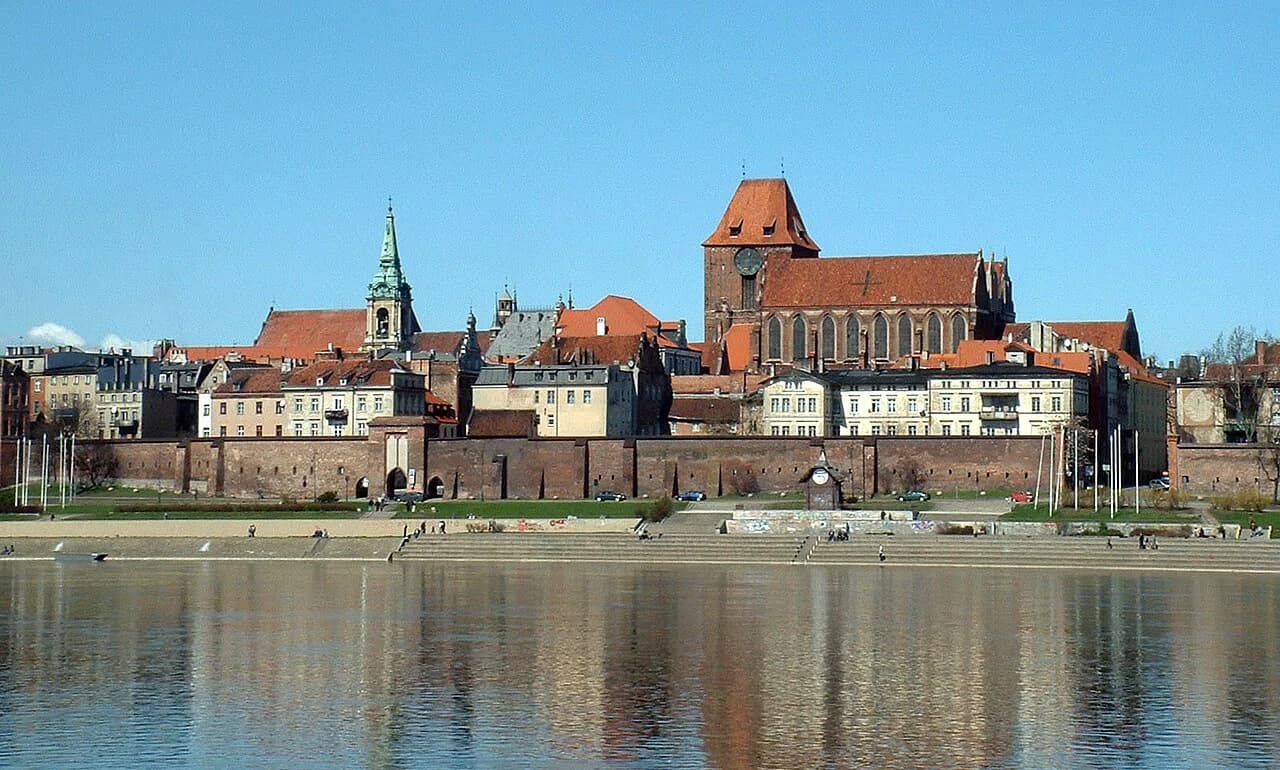
April is a good time to visit Poland for a city break: daytime temperatures are mild enough for long walks, the main squares are not yet at summer capacity, and evenings still call for a jacket. Treat it as a month of two halves, with late April noticeably gentler than the first week, and plan museum time as insurance against showers. This guide covers typical temperatures, which cities suit a short April trip, how the early-May holidays affect crowds, and how to structure one to four days.
Figures are quoted from Kraków climate averages rather than a national dataset, so read them as a southern-Poland benchmark and expect the Baltic coast to run cooler. For the wider seasonal picture, our guide to the best time to visit Poland sets April against May and the autumn months.
Typical April temperatures, rain and sunshine
Kraków's April climate averages give a mean of about 8°C, with mild highs around 12°C in the early afternoon and evenings falling to roughly 3°C. Sunshine averages almost five hours a day, and the month brings around 39 mm of rain spread across roughly 15 days, with a fair chance of cloud or fog. Pack layers rather than a single warm coat: a morning that starts at 4°C can reach the low teens by mid-afternoon.
Read those numbers as typical climate averages, not a forecast for your dates, and check a short-range forecast within a few days of travelling. The practical consequence is that you will not need heavy winter kit but you will want a waterproof layer and shoes that cope with wet paving. An April day in Warsaw or Wrocław can be perfectly pleasant at midday and raw by six in the evening.
Why late April feels different from early April
The end of April sits at the gentler edge of the month, with mild afternoons and cool evenings rather than the residual chill of the first week. That matches the Kraków averages and explains why the last ten days of the month suit walking-heavy city breaks better than early April.
For planning, this means an early-April trip should lean on indoor anchors, while a late-April trip can reasonably assume long afternoons outdoors. Either way, build in one flexible afternoon so a washout does not wipe out a whole day. If your dates are fixed and you want warmer, longer days, shift the trip into May.
The early-May holiday cluster and what it does to crowds
Poland's calendar brings public holidays in early May, and the spring guide notes that this period pushes domestic tourism towards popular destinations, so those days are busier than the surrounding weeks.
If your April break runs into the first days of May, book the nights you need early and expect the most popular old towns and mountain resorts to feel noticeably fuller. If you have flexibility, finishing before the May holidays keeps the trip in the quieter window. Our Poland in may guide covers how the month changes.
Cities that work well in cool, changeable weather
Gdańsk suits an April break because the compact Główne Miasto (Main Town) puts Długi Targ, the Żuraw (the Crane) and the riverside within a short walk, so a shower costs you minutes rather than a tram ride. The trade-off is the Baltic, which runs cooler and windier than the south, so a warm layer matters more here than in Wrocław or Kraków.
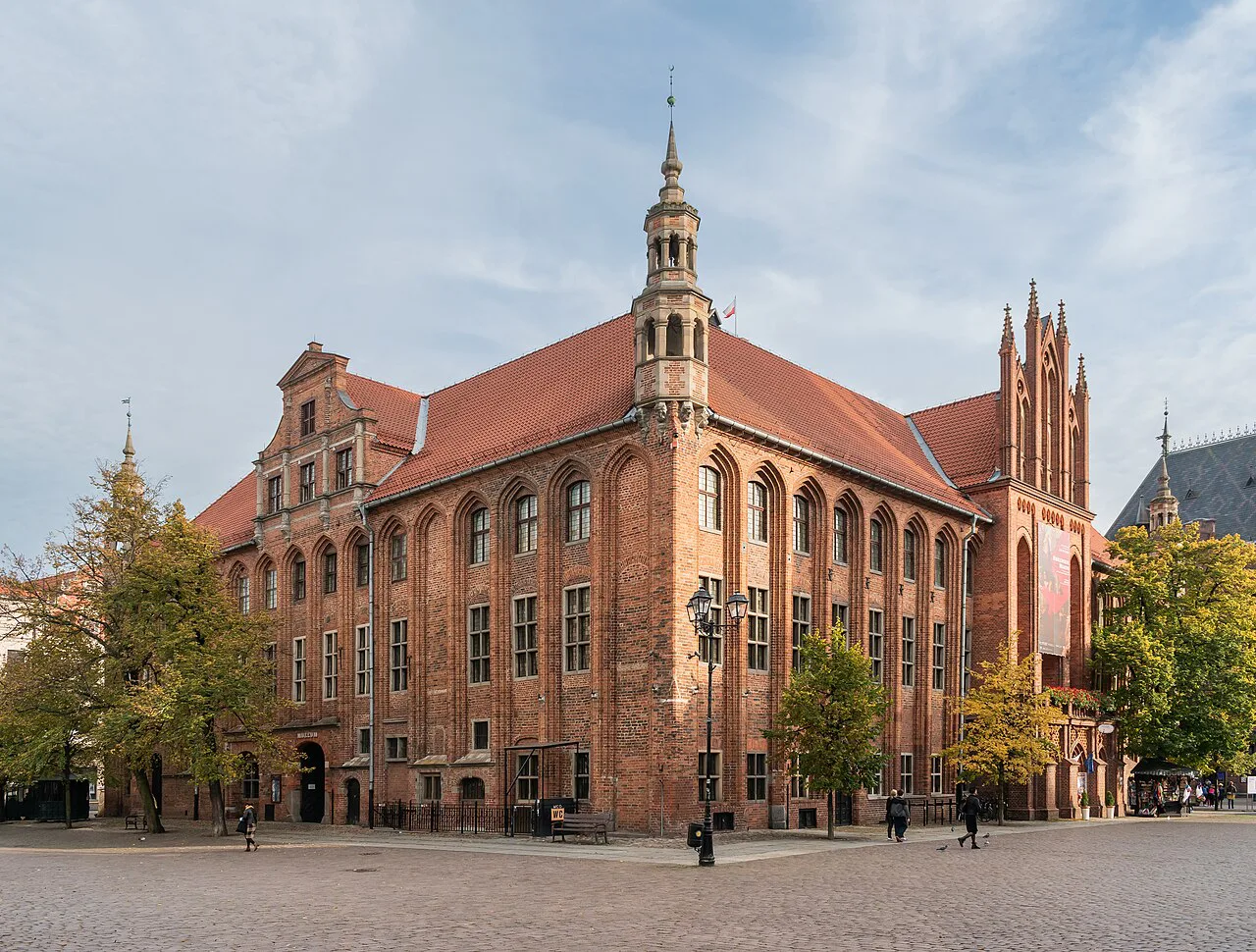
Wrocław's old town and Ostrów Tumski are close enough to cover on foot with café stops when it rains, and Poznań's Rynek gives you a central square to retreat from. Łódź rewards a wet day best: Piotrkowska is a long straight walk, and Nikiszowiec is a distinct neighbourhood worth the trip out. Warsaw works well for a museum-heavy April break, with Łazienki Park and Wilanów as the outdoor counterweights when the sun appears.
Kraków in April, briefly, as a comparison
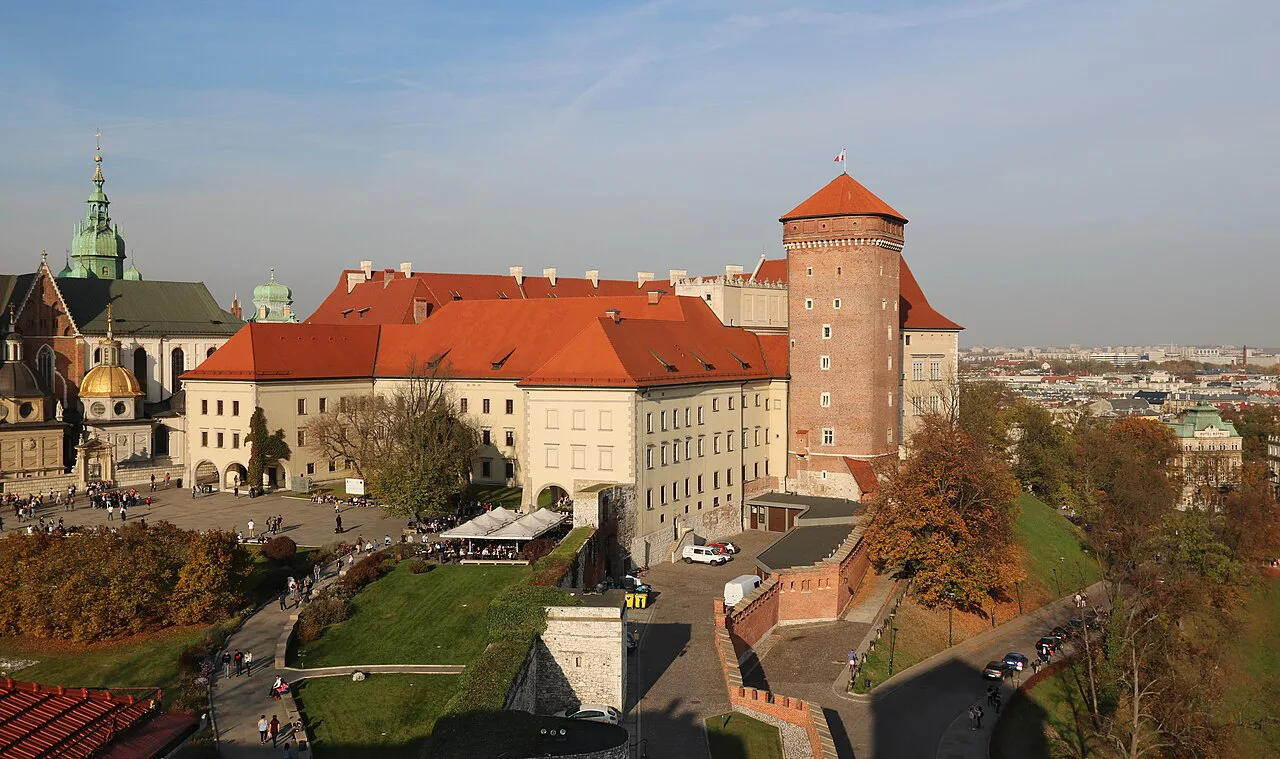
Kraków is mild and less crowded in April than in summer, and Wawel Castle and the Planty are at their most pleasant before the summer crowds arrive.
Use Kraków mainly as a transport hub if your trip focuses on other cities: it is the reference point for the climate figures above, and the comparison helps you judge what to expect further north. If you are weighing a longer stay later in the season, Poland in June and Poland in July show how the city fills up.
Structuring one to four days around showers
With rain likely on roughly half the days of the month, the sensible shape is indoor mornings and outdoor afternoons, when temperatures peak. Book the museum you most want for the morning of your first full day, then walk the old town afterwards if the sky clears. Keep one anchor sight per day rather than a list of five.
For a two-day break, give the first day to the historic core and the second to a single museum plus a park or riverside stroll. Three days lets you add a neighbourhood such as Nikiszowiec in Łódź or Ostrów Tumski in Wrocław. Four days is enough for two cities if they are well connected, though moving costs you half a day each time.
What is in bloom, and the trade-off with an unsettled forecast
Spring in Poland arrives unevenly: April is more reliably mild than March, and May brings the peak of flowers, café terraces and evening concerts. Wrocław is known for its magnolias in spring, and Warsaw's Łazienki Park is cited for cherry blossoms, so an April trip that stretches towards May catches more of the display.
The trade-off is that bloom timings vary with the year's snow and cold, so you cannot book around a specific flowering date with confidence. Treat flowers as a bonus rather than the reason for the trip, and plan the days around sights that do not depend on the weather. If gardens are the priority, our Poland in October guide shows the other end of the season for park colour.
How many days you need, and filling a wet afternoon
Two full days covers the core of any one of these cities; three is the comfortable number for a first visit if you want a museum, a park and a neighbourhood without rushing. Museum time is the best wet-afternoon filler, and many Polish museums close one day a week, so check the day of your visit before you build a plan around one.
Prices, opening days and free-entry days vary by venue and change, so confirm them on the museum's own site before you travel. In practice, that means choosing your must-see museum first and arranging the rest of the day around it. Keep a second indoor option in reserve for the afternoon the forecast turns.
Should you book April or wait for May?
Book April if you want mild walking weather, thinner crowds and lower pressure on the main squares, and if you are happy to accept a few wet afternoons. Late April is the better half of the month. If warmth and long outdoor evenings matter more than quiet streets, May is the stronger choice.
Whichever you pick, anchor each day on one sight, keep a museum in reserve and layer your clothing. Check the short-range forecast in the final week and confirm museum opening days directly with each venue.
Explore more Poland guides
Frequently Asked Questions
How hot is it in Poland in April?
In Kraków, April averages about 8°C, with daytime highs near 12°C and evenings around 3°C. Expect the Baltic coast to feel cooler and windier than the south, and treat these as typical climate averages rather than a forecast for your dates.
Is April a good time to visit Poland?
Yes, for a city break. Days are mild enough for walking, crowds are lighter than in summer, and late April is noticeably gentler than the first week. Rain falls on roughly half the days, so plan indoor anchors and keep one afternoon flexible.
Is Kraków good to visit in April?
Kraków is mild and quieter in April than in summer. It also works well as a transport hub if your trip focuses on other Polish cities, and the southern climate figures are a useful benchmark for judging what to expect further north.
Is Kraków or Warsaw nicer?
They suit different trips rather than one being better. Warsaw gives you more museums and big sights for wet April days, including Łazienki Park and Wilanów when the weather clears, while Kraków is more compact and walkable. Pick Warsaw for a museum-heavy break and Kraków for a short, concentrated visit.
Sources
Notes for your next Polish city break
Optional updates to our Poland guides.
You might also like



Continue reading
More guides you'll find useful





