Poland in Autumn: Golden Season, Weather and Where to Go
Poland's golden Polish autumn peaks around mid-October with mild, changeable weather. See which cities and landscapes suit a short autumn break best.
On this page
Poland in autumn peaks in mid-October, when Poles' Złota Polska Jesień is usually at its height and temperatures stay mild enough for long days on foot. The window runs from early September to late November, and what you get depends on which end you pick.
This guide separates the colour peak from the wider season, explains why crowds thin once Polish schools return in September, and picks out cities, landscapes and seasonal food worth building a three-day break around. It is written for travellers who want a compact city stay with one good day outside the centre, not a full hiking itinerary.
What 'golden Polish autumn' means and when the colours peak
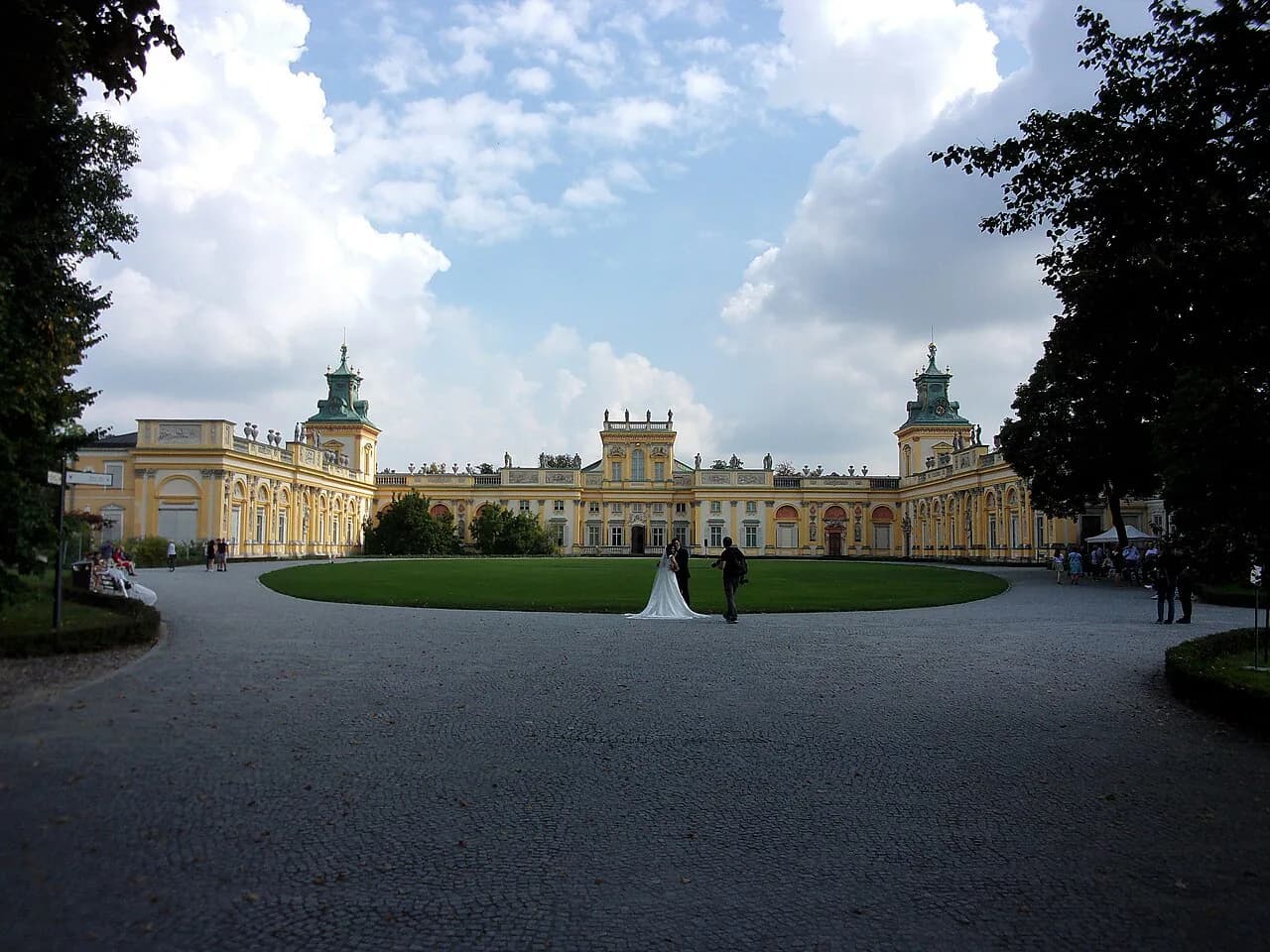
Poles describe the season as Złota Polska Jesień, and the name is deserved: parks, avenues and mixed woodland turn gold, red and orange over a few weeks. The colour change is usually at its peak around mid-October, so an early September visit will feel like late summer with a few leaves turning rather than full gold.
Treat that mid-October peak as a typical pattern rather than a fixed date; the colour depends on the year's weather. If the leaves are the main reason for the trip, aim for the middle two weeks of October and keep the plan flexible enough to shift a day or two either side.
If your dates are already fixed by work or school holidays, the wider season still delivers: September is green with early gold, and late October into November is bare and atmospheric rather than colourful. Both suit city museums better than a landscape day. The best time to visit overview sets the other seasons alongside this one.
Autumn weather from September to November
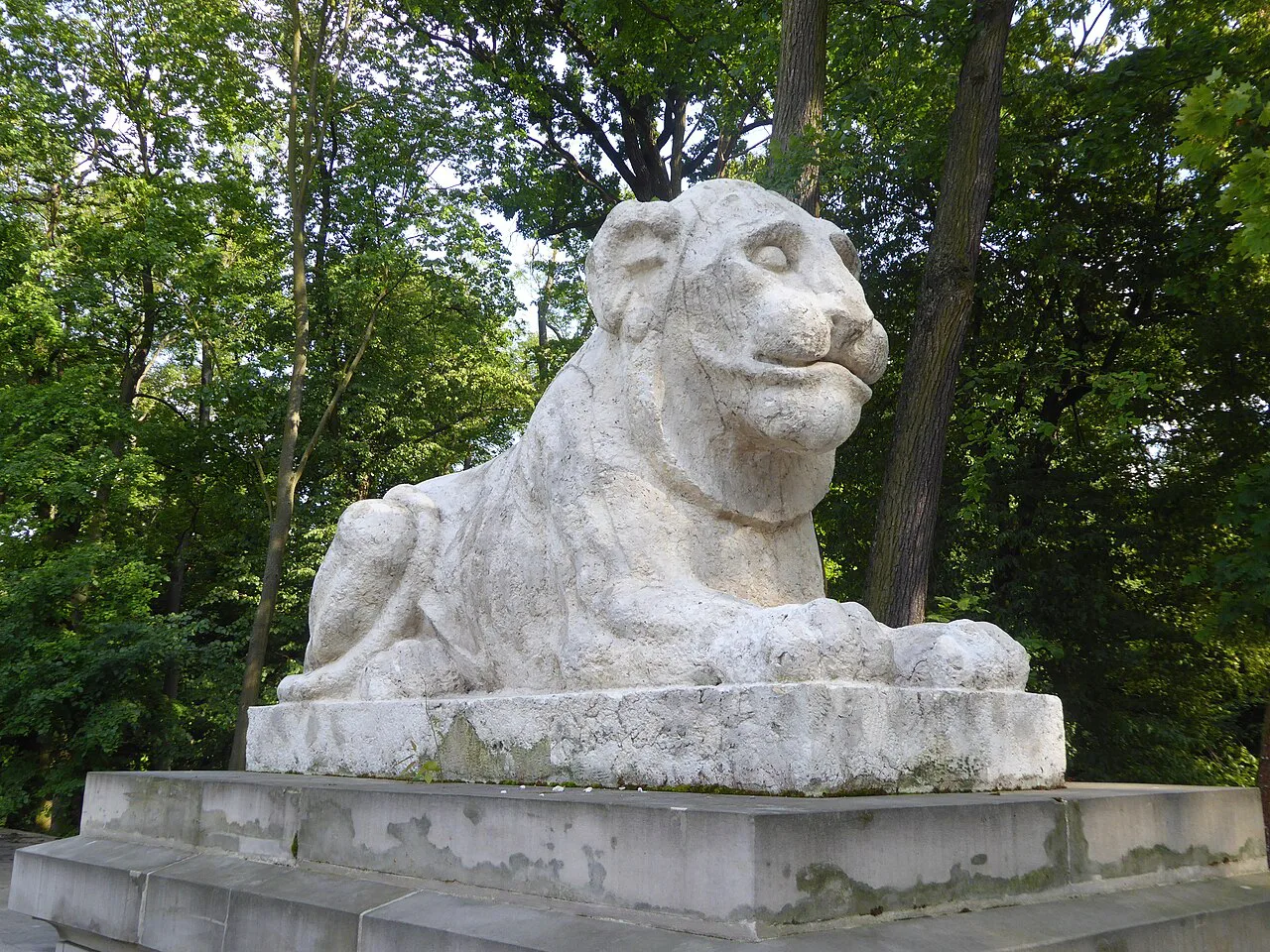
Autumn in Poland is mild and changeable rather than reliably warm or cold. September and October are the sweet spot for walking: pleasant enough to spend hours outside without overheating or freezing, and cool enough to duck into a cafe when a shower passes.
November is the month that catches people out. Days shorten quickly, rain is more likely and the wind picks up, so a November break needs more indoor content than an October one. Anyone tempted by the shoulder season should read Poland in September for the warmer end of the range.
Describing the weather as mild is not a forecast: check a proper climate source for averages and a forecast close to travel. The practical consequence is a layered plan, one outdoor anchor and one museum or gallery each day, so a wet morning costs you nothing.
Why autumn is quieter and easier on the budget
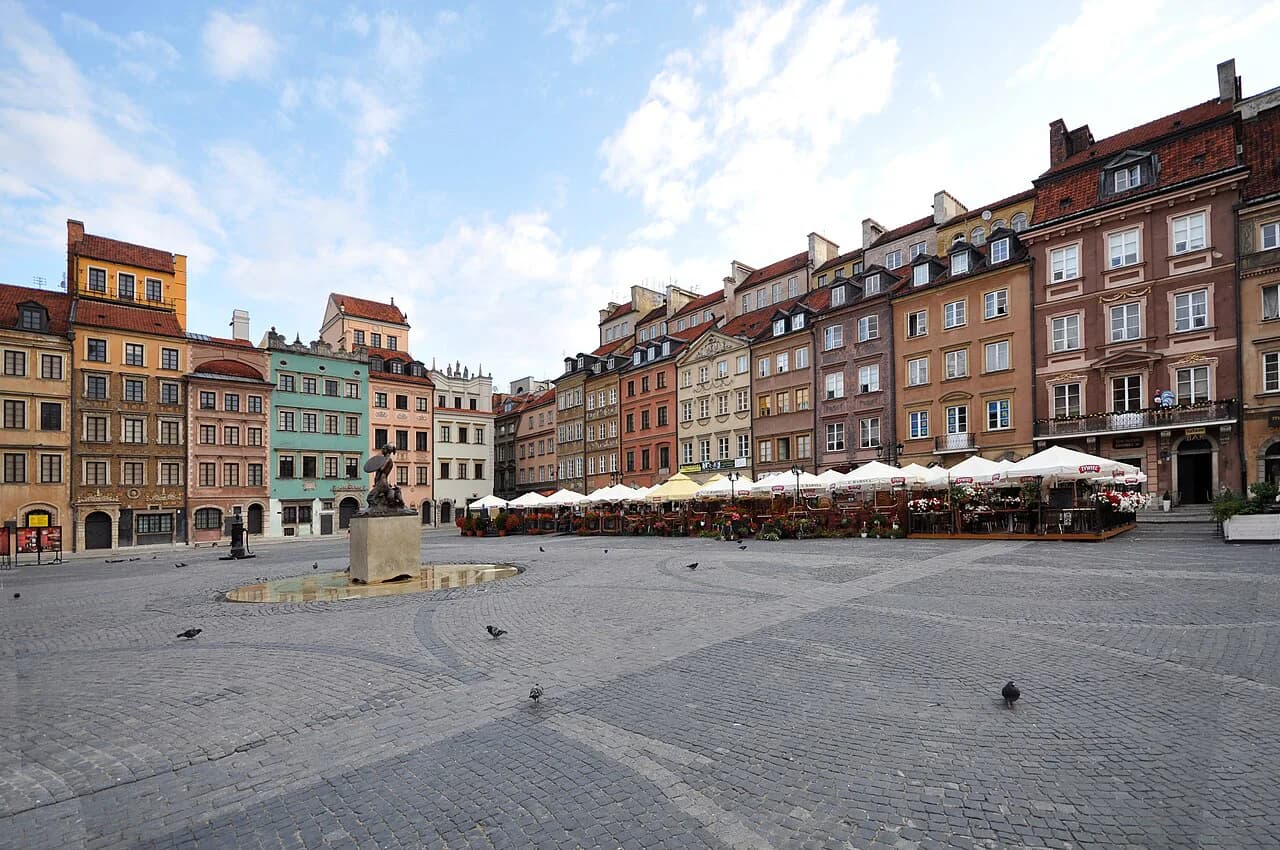
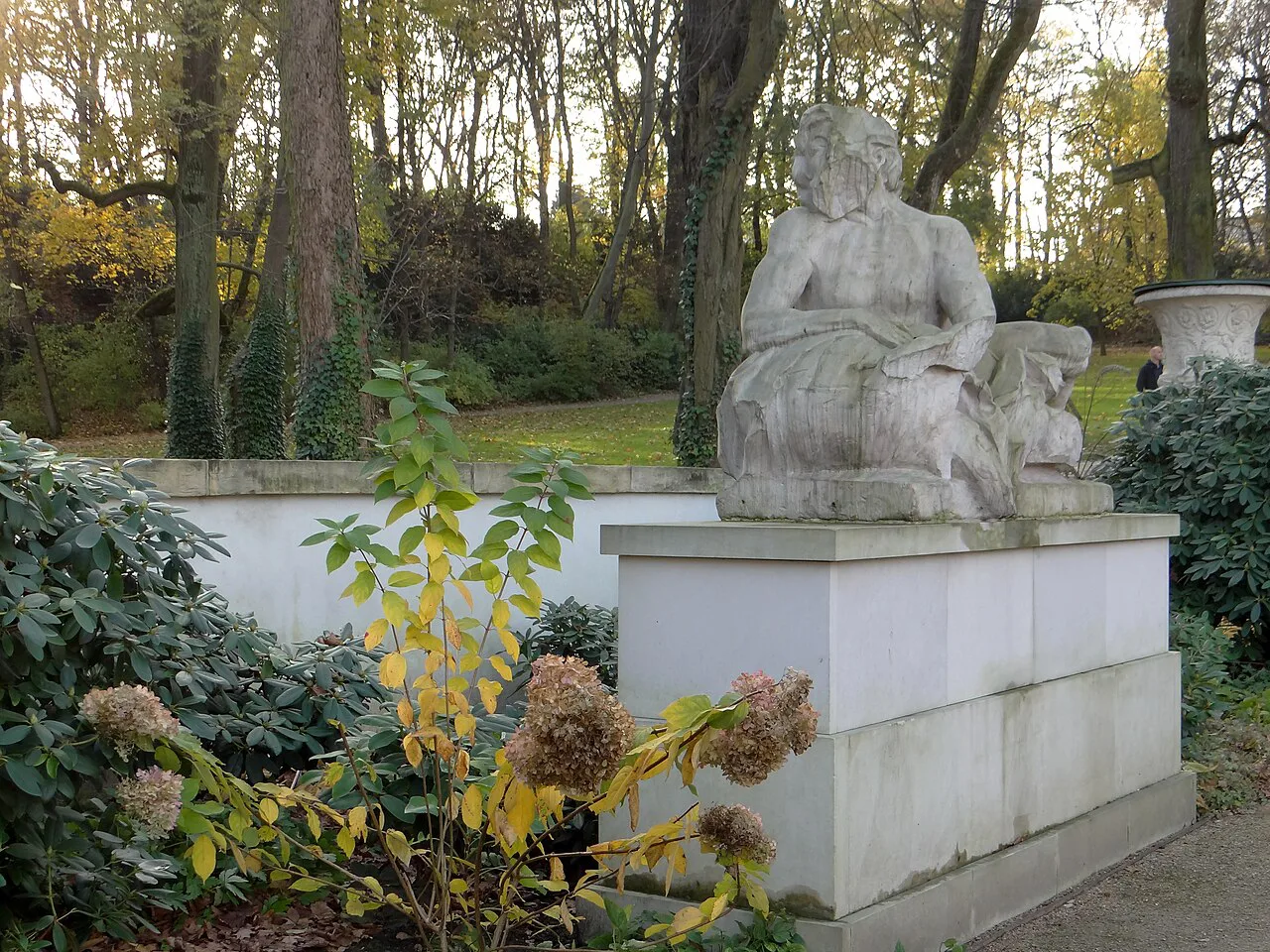
Polish children return to school on 1 September, and from then on families and student groups thin out. Museum queues shorten, market squares empty out and you can often walk into places that need booking weeks ahead in July.
Off-season travel in Poland generally means cheaper and quieter trips, with more availability, especially at smaller places. There are no reliable published figures to quote here, so compare rates for your own dates across a few booking sites rather than assuming a set discount.
The trade-off is daylight and the odd closed attraction. Some seasonal businesses in resort areas wind down after September, so a city with year-round museums is the safer bet for a short break. Poland in summer shows what the same cities look like at full capacity.
The best city-break cities for an autumn visit: Wrocław as the standout
Wrocław is a strong pick for an autumn city break: compact, full of museums and churches for wet afternoons, and with riverside and park walks for the dry ones. The city's monuments are worth seeing whatever the leaves are doing, and a short break here needs no car.
Elsewhere in the region, Lower Silesia's castles and palaces make a natural companion to a Wrocław base, though you need a car or organised transport to reach them. Czocha Castle near Sucha, above Lake Leśnia, runs themed guided tours and suits a misty autumn day better than a beach ever would.
Gdańsk and Poznań are equally workable, and both reward a three-day stay with old-town walking plus one museum-heavy day. Travellers comparing months should weigh Poland in April against an October trip: spring is greener, autumn is quieter.
Autumn in the Polish mountains and at the Baltic coast
The Bieszczady Mountains in the south-east are the classic autumn mountain pick, with long ridge walks and wide views that open up once the summer haze lifts. The area has nearly 2,000 kilometres of marked trails at varying difficulty, so choose according to fitness and daylight rather than ambition.
Masuria in the north-east is the quiet option: lakes, forest and a pace that suits slow days rather than tick-list sightseeing. Autumn empties the lakeside towns, which is either the appeal or the drawback depending on whether you want restaurants open in the evening.
On the Baltic coast the summer crowds and ice-cream queues disappear and the beaches empty out, leaving clean air and long walks. One beach day is enough for most city-break travellers, and the sea is best treated as scenery rather than swimming.
Parks, gorges and castles that suit an autumn walk
Kazimierz Dolny sits in the Land of Loess Gorges, where narrow ravines such as Korzeniowy Dół, Plebanka and Norowy Dół cut through wooded terrain. Fallen leaves make the gorge paths atmospheric and occasionally slippery, so wear shoes with grip and keep to marked routes.
Park Mużakowski, known in German as Muskauer Park, straddles the Polish-German border in Lubuskie and has been a UNESCO World Heritage Site since 2004. It is the largest English-style landscape park in Poland and Germany, and its tree avenues are the whole point of an autumn visit.
For a prehistoric counterpoint, the Biskupin Archaeological Reserve in Kujawsko-Pomorskie reconstructs Bronze Age and early medieval settlements on the original site. It is quieter after the September archaeological festival, and the reconstructed stronghold looks its best against autumn colour.
Seasonal food and drink to look out for
Autumn cooking in Poland turns to root vegetables: cabbage, pumpkin, potato, carrot and beetroot appear in soups, salads and main courses. Apples, pears, plums and peaches are at their best, and the forest mushroom season is a serious local pursuit.
Lubuskie, in western Poland, has a wine-growing tradition and autumn is harvest time there. Vineyard visits are possible but need booking, and a car makes the scattered estates practical to reach, which is a full-day commitment rather than an afternoon add-on.
Beyond the food, the reason to travel in autumn is simply comfort: you can walk all day without summer heat, then warm up over a hot drink and cake. That rhythm suits Polish city centres, where the cafe is part of the street scene.
How many days a Polish autumn city break needs
Three days is the right length for a single Polish city in autumn: one day for the old town on foot, one for the major museum or museums, and one flexible day that can go outdoors if the weather holds. Two days works for a compact city, but leaves no slack for rain.
If you want both a city and a landscape, give it four days and accept two base changes at most. Adding the Bieszczady or Masuria to a city break means a long transfer, so pick one, not both, and check travel times before committing.
Whatever the length, build the plan around daylight rather than opening hours you have not checked. Museums in Poland often keep a weekly closing day, but schedules differ by venue, so confirm days and any free-entry slots on each museum's own website before booking.
Should you book October or wait for spring?
Book October if colour and quiet matter more than guaranteed sunshine: the mid-October peak is the best chance of gold leaves, mild walking weather and short queues. Accept that a wet day will happen and choose a city with enough indoor content to absorb it.
Wait for spring if you want longer days and the first green rather than gold. Poland in May and Poland in June cover that side of the calendar, and the Best Time to Visit Poland for a City Break puts every season side by side so you can match the month to the trip you actually want.
Explore more Poland guides
Sources
Notes for your next Polish city break
Optional updates to our Poland guides.
You might also like

Continue reading
More guides you'll find useful